
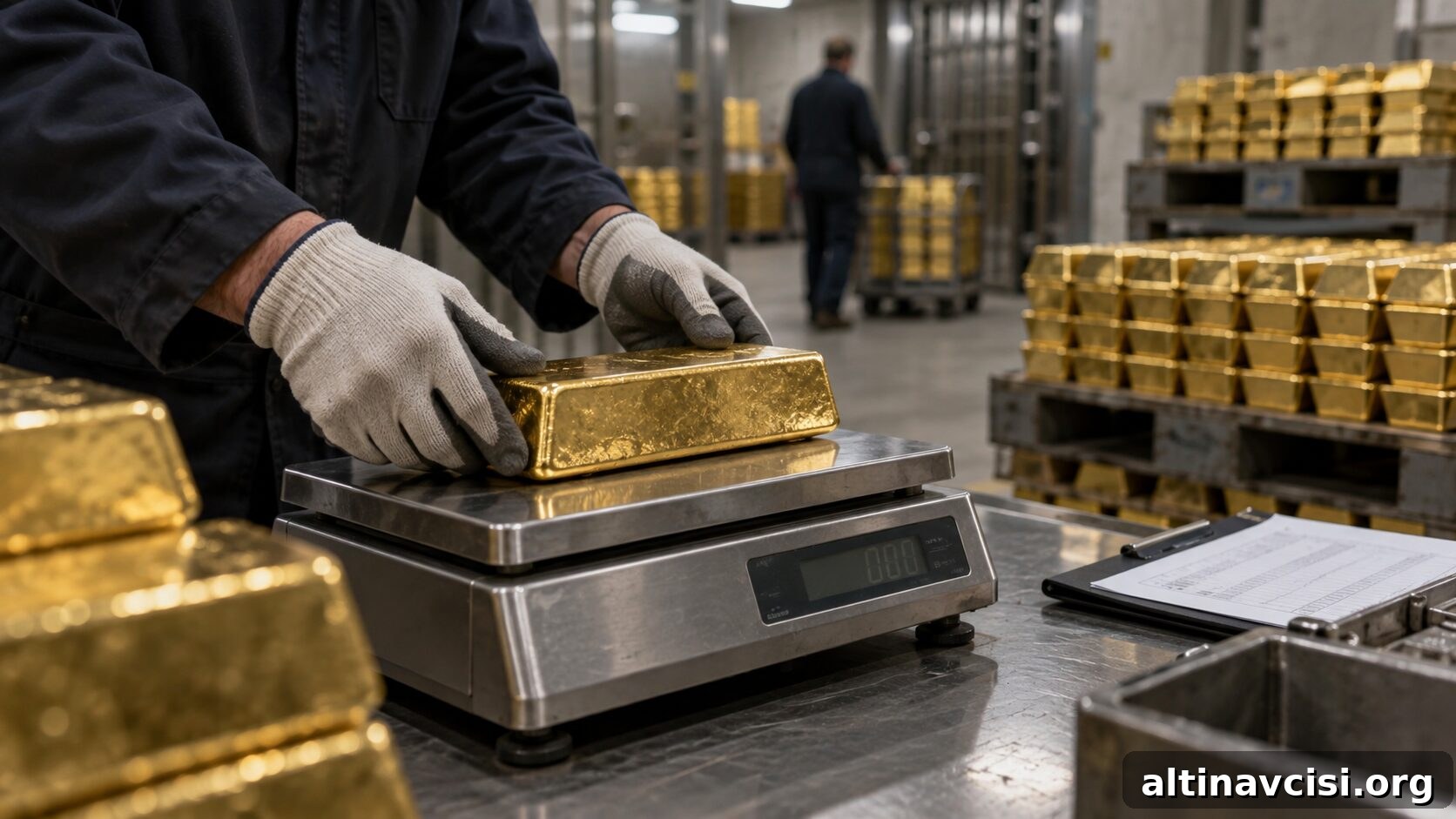
Bloomberg reported on September 22, 2026, that China’s gold bullion imports surpassed 1,000 tonnes through August 2026. This figure comes from China’s General Administration of Customs and is part of a series of monthly customs records that have been published since 2017. The pace of imports already exceeds all gold imported by China during 2025 and represents the fastest run of imports on record.
How Much Gold Has China Imported in 2026?
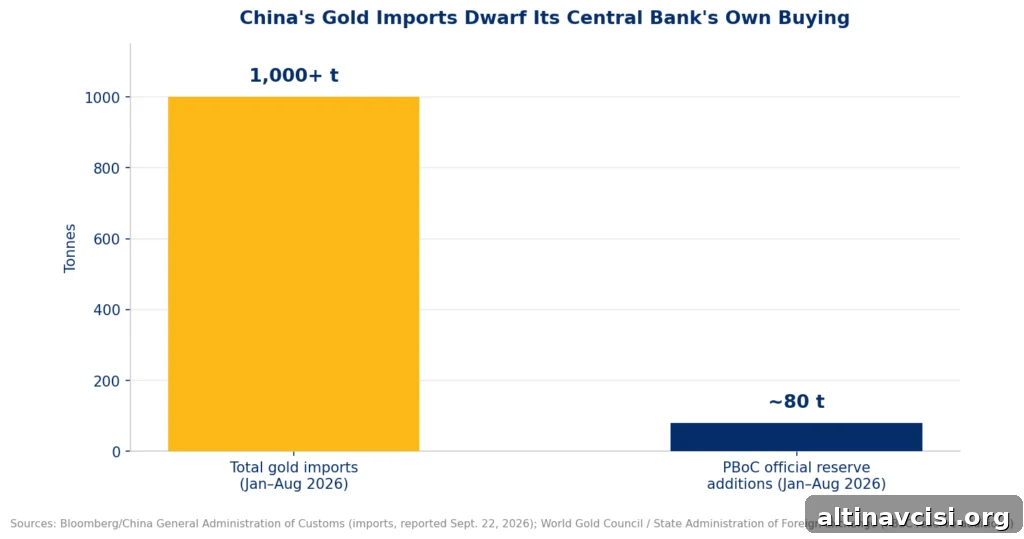
According to customs-based reporting cited by Bloomberg on September 22, 2026, China brought in more than 1,000 tonnes of gold during the first eight months of 2026, with an estimated value of roughly $158.8 billion. That already tops the roughly 866 tonnes imported during all of 2025, which was valued at about $96.5 billion. Other outlets tracking the same monthly customs series have reported slightly different totals — some placing the year-to-date figure in the 1,100–1,200 tonnes range — highlighting that this is an evolving monthly tally rather than a single fixed number. Despite the variation, every version of the data points to a clear trend: significantly larger and faster flows of gold into China than in prior years.
Is China’s Central Bank Buying All of It?
No. The People’s Bank of China (PBoC) disclosed additions to official reserves amounting to roughly 80 tonnes over the same eight-month period, based on World Gold Council and State Administration of Foreign Exchange figures reported on September 22, 2026. The PBoC’s August increase was reported at about 20 tonnes, its largest single-month addition since 2023, continuing a run of monthly reserve increases that extends more than a year. Some market analysts, however, have suggested the official monthly totals may understate actual flows; independent estimates for individual months have sometimes been higher than the reported numbers. Even if official buying is adjusted upward, 80-odd tonnes of known central-bank purchases cannot account for the full 1,000-plus tonnes of imports.
Most of the imported gold appears to have moved via private channels: physical bars and coins purchased by households and jewelers, and allocations through onshore gold-backed exchange-traded funds used by institutional and retail investors. That distinction matters. Central-bank purchases reflect a single institution adjusting reserves and are recorded distinctly. Large import volumes, by contrast, indicate broad retail and institutional demand and act as a different kind of market signal.
Why Is China Importing So Much Gold Right Now?
A meaningful correction in gold prices after a January 2026 peak made bullion relatively cheaper, while the Chinese yuan remained relatively firm. That combination created conditions in which onshore buyers found gold attractively priced compared with global benchmarks. Market observers point to an onshore premium — the difference between domestic and international prices — as an important mechanism: when onshore prices trade at a premium, importers and licensed dealers have a clear incentive to bring more metal into the country.
Chinese gold ETFs and exchange-traded products also showed growth. Holdings in mainland exchange-traded vehicles increased by roughly 44 tonnes through August 2026, an 18% rise since January of that year, according to Shanghai market data. By contrast, global ETF flows over the same period were broadly flat, underscoring the particular strength of domestic Chinese demand. Taken together, increased private purchases by households and institutions, higher ETF holdings, and sustained official buying point toward a structural shift in demand toward China as a major destination for physical gold.
What Does This Mean for Gold and Silver Investors?
The immediate effect of large net imports into China is a tightening of available global supply. Every tonne moved into China is a tonne less available for other consumers and investors worldwide. That dynamic can support prices, particularly when multiple types of buyers — central banks, institutional funds and retail consumers — reach similar conclusions about the metal’s appeal for different reasons.
Gold and silver prices at any given moment reflect many factors, including central-bank policies, currency movements, and demand from industry and consumers. A sustained period of strong imports into China helps form a price floor by removing metal from the global spot market and by signaling persistent demand even when prices are undergoing corrections. For investors, the implication is that structural demand from China can be an important, ongoing support for precious metals markets, complementing official reserve accumulation and cyclical flows elsewhere.
SOURCES
1. Bloomberg – China’s Gold Imports Top 1,000 Tons on Strong Investment Demand (published Sept. 22, 2026).
2. Benzinga – Coverage of China’s 2026 gold import surge and market implications.
3. World Gold Council – Gold demand trends and central bank reserve data.
4. International Monetary Fund – Currency Composition of Official Foreign Exchange Reserves (COFER) data.
Disclaimer: This article is for informational purposes only and does not constitute investment advice. Past performance is not indicative of future results. Consult a qualified financial advisor before making investment decisions.
You May Also Like:
- Fed Officials Turn Hawkish. Gold’s Iran-Diplomacy Bounce Can’t Hold.
- Bernstein Cuts Its Gold Forecast — Reassessing Long-Term Drivers
- The Fed Just Hiked. Wall Street Still Sees Upside for Gold.
- Gold Dips, Silver Holds as Geopolitical Hopes Shift Market Sentiment.
- Silver Volatility: Real Yields, Not Inflation, Drove Recent Moves.
- Geopolitical Events Test Oil and Metals Markets.
- Five Reasons Gold Remained Resilient Despite Rate Increases.
- Bank of Japan Policy Shifts and Their Limited Impact on Gold.