How to Invest in Silver: A Practical Guide to Growing Wealth
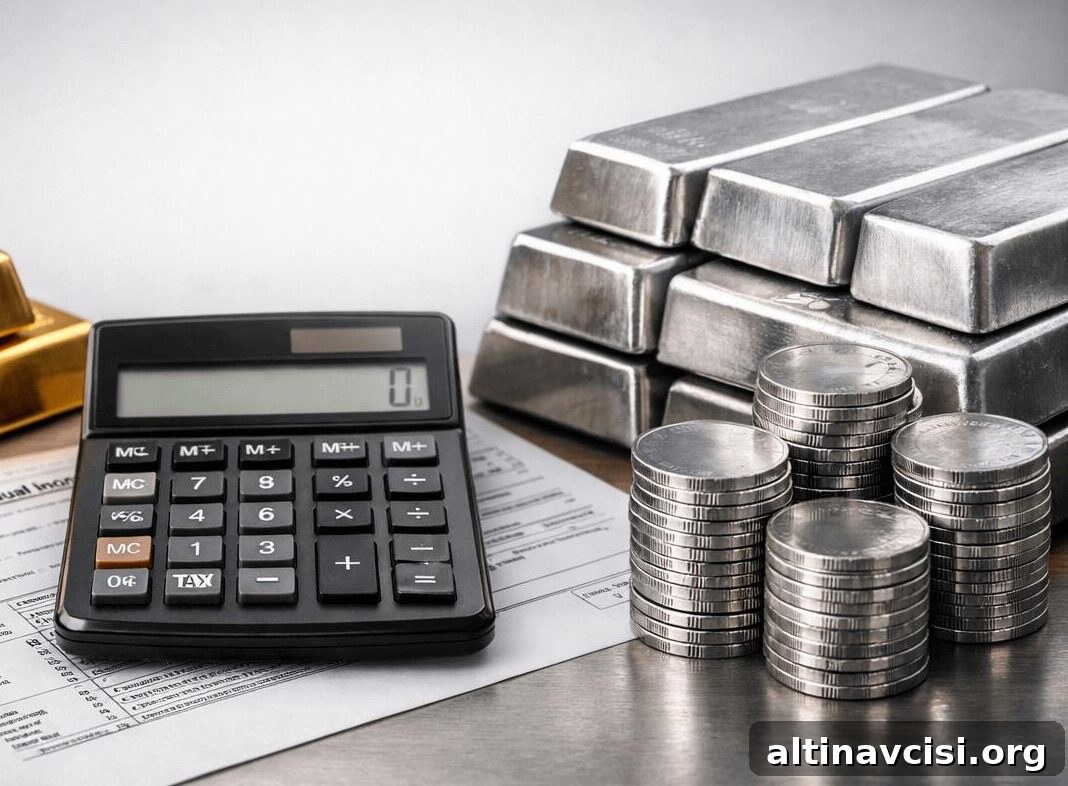
Silver holds a distinctive place among investment assets. If you’re thinking about adding silver to your portfolio, it helps to understand what makes it unique. For millennia it served as money, and today it remains essential in solar panels, electronics, and medical equipment. Few investments combine monetary history with widespread industrial use — and even fewer offer ownership without counterparty risk or dependence on a financial intermediary’s promise.
Investing in silver means owning a tangible asset: either the physical metal itself or financial instruments that track its price. At its core, silver is used to preserve purchasing power and to diversify exposure beyond traditional markets and paper assets.
Silver is not a cure-all. It is volatile, generates no income, and works best as a component of a broader plan rather than as a standalone solution.
This guide focuses on the essentials: what silver investing involves, how to build a disciplined approach, and how to decide whether silver belongs in your long-term portfolio.
Key Takeaways
- Silver offers tangible ownership with no counterparty risk and combines monetary and industrial roles.
- Demand is driven both by industrial uses and its monetary heritage, supported by scarcity and practical utility.
- Investment choices include physical silver, ETFs, mining stocks, and derivatives; each carries distinct benefits and risks.
- Discipline matters: techniques like dollar-cost averaging can help manage volatility and support long-term outcomes.
- Silver should be part of a diversified allocation; many investors combine gold and silver in a 5–15% metals allocation.
Why Invest in Silver?
Most financial assets represent a claim — a share of a company, a bond, or a deposit. Silver is different: it is the asset itself. That difference matters for investors focused on resilience and long-term purchasing power.
Investing in silver typically targets two goals: protection of purchasing power and diversification away from assets that rely solely on institutional trust. How you pursue those goals depends on the form of silver you choose.
Physical silver — coins, bars, and rounds — provides true, direct ownership with no intermediary. Paper silver — ETFs, mining stocks, or derivatives — gives price exposure but reintroduces counterparty relationships and custodial elements.
Neither option is categorically right or wrong; they serve different investor priorities. For many people new to precious metals, comparing silver to gold helps clarify each metal’s role and where silver’s characteristics can offer advantages.
What Makes Silver Worth Your Attention?
Silver is often overshadowed by gold, but that misses its distinctive profile.
While gold is primarily a monetary asset, silver is both a monetary and industrial metal. Roughly half of annual silver demand comes from industrial uses — renewable energy, electronics, and medical technologies — with the rest from investors and the jewelry market.
That dual demand can create a dynamic where industrial growth supports price, and financial uncertainty increases investment demand. Few assets operate at that intersection.
Silver’s value rests on three core fundamentals:
- Scarcity — Silver exists in finite amounts and cannot be produced on demand.
- Utility — It is essential to a range of expanding technologies.
- Monetary history — Silver has been used as money for thousands of years, a legacy that adds to its perceived reliability.
These fundamentals don’t guarantee returns, but they explain why serious investors include silver in their considerations.
Silver vs. Gold: Which Belongs in Your Portfolio?
This is rarely an either-or choice.
Gold and silver serve different purposes. Gold is generally more stable and widely held by central banks for wealth preservation. Silver tends to be more volatile because its market is smaller and influenced strongly by industrial demand cycles.
Investors often monitor the gold-to-silver ratio, a tool that measures how many ounces of silver equal one ounce of gold. When the ratio is historically high, some investors view silver as relatively undervalued versus gold, though ratios are guidance tools rather than guarantees.
Many long-term portfolios include both metals: gold for stability and silver for diversification and upside potential. The aim is balance rather than prediction.
The Main Ways to Invest in Silver
Choosing the right vehicle depends on your goals and the trade-offs you’re willing to accept.
1. Physical Silver
Physical ownership — coins, bars, or rounds — gives direct control and removes counterparty risk. Government-minted coins such as American Silver Eagles or Canadian Maple Leafs tend to carry slightly higher dealer premiums but are easily recognized and easier to sell. Bars often have lower premiums per ounce and can be more cost-efficient for building larger positions.
Physical silver requires storage decisions: a home safe, a bank safe deposit box, or a professional vaulting service. Each option involves trade-offs in accessibility, cost, and security and should be considered before making purchases.
2. Silver ETFs
Exchange-traded funds that track silver provide liquidity and ease of trading without storage logistics. The trade-off is that ETFs rely on custodians and financial structures to hold the metal on your behalf — you gain price exposure but not direct possession.
3. Silver Mining Stocks
Mining companies offer leveraged exposure to silver prices: when the metal rises, profitable miners may outperform. However, miners come with company-specific risks — management, operating costs, geopolitics, and regulatory changes — and often behave more like equities than pure metal holdings.
4. Futures and Options
Derivatives allow positions on silver’s price without owning the metal. They are complex and involve margin, expiration, and leverage that can magnify losses as well as gains. These instruments are best suited to experienced traders and are not necessary for most long-term investors.
Disciplined Silver Investment Strategies
Patience and discipline are advantages in silver investing. Key strategies include:
- Dollar-cost averaging (DCA) — Invest a fixed amount at regular intervals to smooth volatility and remove timing pressure.
- Allocate, don’t concentrate — Treat precious metals as one component of a diversified portfolio. Many investors allocate 5–15% to gold and silver combined.
- Prioritize direct ownership when resilience matters — Physical silver provides control without intermediaries, which can be important in stress scenarios.
- Think in years, not weeks — Silver’s role is best judged over multi-year horizons where scarcity, history, and industrial demand play out.
Risks of Investing in Silver
Every investment involves risk. Silver’s main risks include:
- Volatility: Silver prices can swing sharply in both directions, often more dramatically than gold.
- No yield: Silver pays no dividends or interest; returns depend entirely on price appreciation.
- Storage costs: Physical ownership requires secure storage, which adds to the overall cost basis.
- Liquidity spreads: Dealers buy and sell silver at different prices; for short-term holders, the bid-ask spread can erode gains.
- Counterparty risk with paper silver: ETFs, futures, and other financial products rely on custodians and institutions and introduce potential vulnerabilities during severe market disruptions.
Understanding these risks helps you size a prudent allocation. Silver is most effective as part of a broad financial plan, not as a replacement for one.
Is Now a Good Time to Invest?
Timing any market consistently is difficult. Rather than seeking the perfect moment, focus on structural factors: silver’s expanding industrial role, its monetary heritage, and its relative scarcity. These fundamentals play out over years rather than months.
A more useful question is whether silver belongs in your long-term allocation. For investors with a multi-year horizon, that perspective tends to be more helpful than watching daily price moves.
How to Get Started
If you are new to silver, keep the process straightforward:
- Decide on an allocation that fits your diversified plan—many investors start with 5–15% in precious metals combined.
- Choose your vehicle — physical silver is often the simplest entry point for direct ownership.
- Work with reputable dealers and understand premiums over spot price before you buy.
- Secure your holdings appropriately from the outset, whether that is a home safe, safe deposit box, or professional vaulting.
- Consider a disciplined purchase schedule such as dollar-cost averaging to avoid timing risk.
Building wealth with silver is more often the result of steady accumulation and long-term perspective than dramatic timing moves.
Final Thoughts
Silver is not a magic asset — it won’t remove risk, create income, or move predictably. As part of a thoughtful, diversified strategy, however, silver offers tangible ownership, genuine scarcity, and independence from many financial intermediaries. In a world where many assets are someone else’s liability, that difference matters.
Successful silver investing is about patient accumulation, clear allocation, and a long-term view.

What Happened in 1971?
The guide that explains the moment our financial system changed.
People Also Ask
What is the best way to start investing in silver?
A straightforward approach is to buy physical coins or bars from a reputable dealer, begin with a modest allocation, favor recognized products for liquidity, and use a dollar-cost averaging plan to build your position over time.
Is silver a good hedge against inflation?
Historically, silver has preserved purchasing power over long periods and can act as a hedge when fiat currencies lose value. Short-term price moves can still be volatile, so treat silver as a long-term hedge rather than a short-term trade.
How much of my portfolio should be in silver?
Many long-term investors allocate 5–15% of their portfolios to precious metals combined. Silver typically constitutes a portion of that allocation alongside gold. The exact split depends on your risk tolerance and overall portfolio mix.
What is the difference between physical silver and silver ETFs?
Physical silver grants direct ownership and no counterparty risk but requires secure storage. Silver ETFs provide price exposure and trading convenience but rely on custodians and do not represent direct possession of the metal.
Is silver riskier than gold as an investment?
Generally, yes. Silver tends to be more volatile because of its smaller market and sensitivity to industrial cycles. It can offer greater upside in strong markets but also larger declines in weak markets. Many investors use gold for stability and silver for diversification and potential upside.
Disclaimer: This article is for informational purposes only and does not constitute investment advice. Consult a qualified financial advisor before making investment decisions. Past performance is not indicative of future results.
You May Also Like:
- Gold Purity Explained: What Investors Need to Know
- Gold vs. Silver: Roles, Risks, and Portfolio Strategy
- Silver Canadian Maple Leaf: Why It’s One of the World’s Top Bullion Coins
- Gold Portfolio Allocation 2026: What Forecasts Mean for Investors
- How Government Debt Affects Gold and Silver
- Gold vs Silver: The Liquidity Difference That Matters
Popular Topics
Picked from the archive
-
01
 Topics
Gold Price Tops $5,200, Silver $90 as Inflation Persists
-
02
Topics
Fed’s Logan: Rates May Stay High Amid Tariff Pressure
-
03
Topics
Why Physical Gold Outperforms ETFs and Digital Gold in 2025
-
04
Topics
Silver Prices Eye Record Highs as Fed Signals Rate Cuts
-
05
Topics
Treasury Secretary Urges Fed Rate Cut After Revised Jobs Report
-
06
Topics
Iran’s Nuclear Threat: Could It Cut the World’s Oil Supply?
-
07
Topics
Platinum Price Surges Past $1,400 Amid Global Supply Squeeze
-
08
Topics
Gold Rises Friday but Posts Weekly Loss After Inflation Shock