Gold Price Tops $4,700 Amid Global Turmoil

Daily News Nuggets | Today’s top stories for gold and silver investors
January 20th, 2026
Precious Metals Surge to New Heights
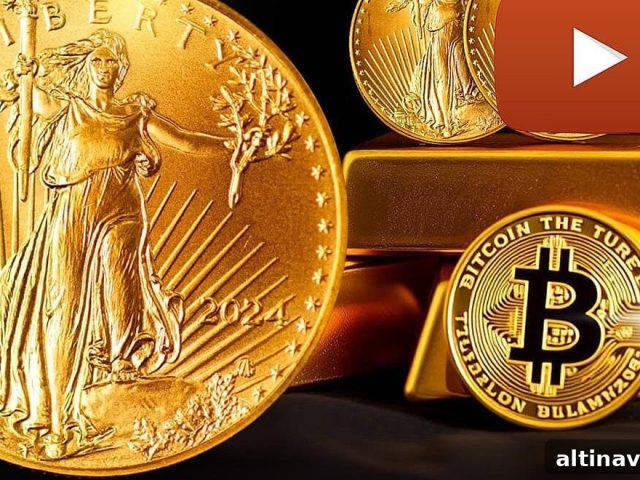
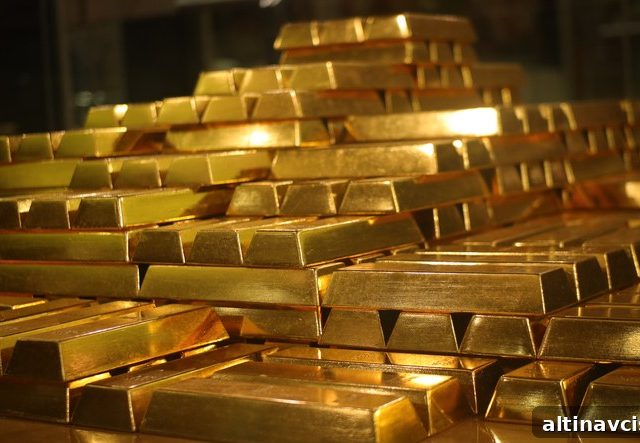
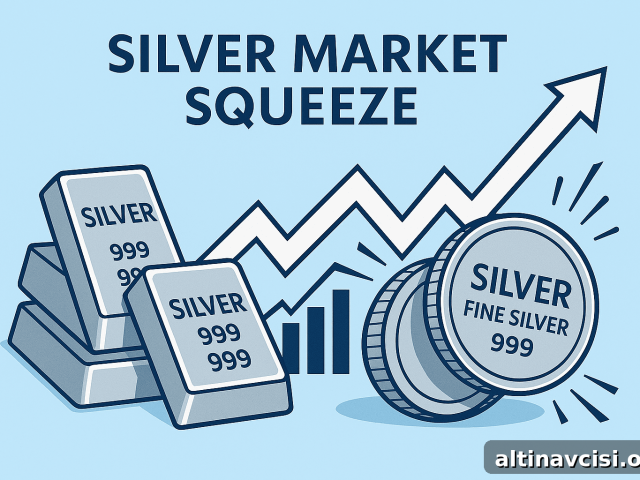
Gold and silver have posted strong gains in recent trading, with gold jumping roughly 3.11% in 24 hours to trade above $4,700 per ounce and silver climbing about 5.8% to trade north of $95 per ounce. These sharp moves reflect rising investor demand for safe-haven assets amid heightened policy uncertainty and growing concerns about trade barriers and geopolitical friction.
Silver’s rally stands out because it combines renewed interest as a monetary hedge with robust industrial demand. While gold often dominates headlines as a pure safe haven, silver’s dual role—industrial metal and store of value—can produce larger percentage moves when markets shift toward risk aversion and when industrial outlooks remain resilient.
Year-to-date performance has been striking: gold is up by double digits since the start of the year, and silver has recorded even larger percentage gains. That momentum is being supported by several broad macro drivers, including elevated inflation expectations, central bank uncertainty, and a weakening U.S. dollar that makes commodities more attractive to non-dollar buyers.
With monetary policy debates ongoing and headline risk elevated, many investors are reallocating into physical metals, ETFs and mining equities as part of a defensive strategy. The current environment favors tangible assets that historically preserve purchasing power when fiat currencies and bond markets face instability.
The Financial System Isn’t Safer — And You Know It
As systemic risks rise, discover why gold and silver are expected to remain attractive through 2026 and beyond.
Subscribe to our alerts to receive timely updates on precious metals markets and policy developments.
Trump’s Greenland Push Rattles Markets
Recent public comments about Greenland and related trade threats have reverberated through global markets. The combination of territorial rhetoric and the suggestion of tariffs on countries that oppose such moves has raised fresh concerns about transatlantic trade relations and alliance stability.
Political tensions are prompting some allies to consider defensive economic measures. Diplomatic friction of this kind tends to exacerbate uncertainty, and markets often react by reallocating capital toward assets perceived as stable stores of value. In this episode, gold and silver have benefited from that shift as investors price in elevated geopolitical risk.
Analysts describe the current dynamic as a widening of trade and strategic risks that can influence currency flows, capital allocation and cross-border investment. When major economies adopt more confrontational trade stances, the outlook for global growth becomes less certain—another factor that can support higher precious metals prices.
New Study: Americans Bear Nearly All Tariff Costs
A recent economic study highlights that U.S. consumers absorb the vast majority of tariff-related costs. The research finds that when tariffs are imposed on imports, higher prices tend to show up primarily at the retail level for American households rather than being fully passed back to foreign producers.
In practice, this means tariffs function like a tax on imported goods, raising consumer prices and contributing to inflationary pressures. With policymakers discussing additional trade measures and tariffs, those price effects could complicate central bank efforts to manage inflation without further disrupting growth.
Rising consumer price pressure also influences investor behavior. When inflation expectations increase, demand for inflation hedges, including gold and silver, typically strengthens. That dynamic adds another support layer for precious metals during periods of trade policy uncertainty.
Dollar Extends Historic Slide as Reserve Status Erodes
The U.S. dollar has experienced notable weakness early this year, extending losses that began last year. A range of factors—political pressure on monetary policy, fiscal deficits, and shifts in global investor sentiment—have contributed to a decline in the dollar’s purchasing power and raised questions about its long-term reserve status.
Major currencies that rallied against the dollar reflect broader skepticism about the U.S. outlook relative to other regions. Narrowing interest rate differentials and expectations for easier monetary policy in the United States have reduced one of the dollar’s traditional advantages, encouraging global investors to diversify away from dollar exposure.
A weakening currency environment tends to lift the appeal of hard assets, and precious metals are often the preferred choice for investors seeking protection against currency depreciation and systemic risk. As confidence in fiat liabilities weakens, demand for gold and silver can provide durable price support.
Japan’s Bond Market in Freefall, Dragging Global Yields Higher
Dislocations in Japan’s government bond market have created spillovers across global fixed-income markets. Sharp moves higher in long-dated yields have unsettled traders, driving up borrowing costs more broadly and lifting risk premia across sovereign debt markets.
Policy proposals that increase fiscal commitments without clear funding plans can amplify market stress and push yields higher. When major holders of foreign debt alter their buying behavior, the global impact can be significant—raising the cost of financing for other sovereigns and adding pressure on risk-sensitive asset classes.
Rising yields and a shift away from confidence in paper assets make precious metals comparatively more attractive as part of a diversified portfolio. In markets where debt sustainability concerns are growing, allocations to physical metals and related instruments often increase as investors seek tangible, non-counterparty stores of value.
You May Also Like
- Central banks continue to add to gold reserves at elevated levels.
- Analysts discuss silver’s path toward the $100-per-ounce level amid geopolitical tensions.
- Major banks and strategists set near-term price targets for silver as volatility rises.
- Market commentary: how scrutiny of central bank independence is supporting precious metals.
Popular Topics
Picked from the archive
-
01
 Topics
Reserve Bank of Australia Launches Live CBDC Trials
-
02
Topics
What If the U.S. Lets Debt Spiral? Economic Risks Explained
-
03
Topics
Goldman Sachs Predicts Fed May Start Cutting Rates by September
-
04
Topics
World Gold Council: Gold Nears Technical Break as Markets Stall
-
05
Topics
Gold Breaks $3,280 as Dollar Slumps to 3-Year Low Ahead of Jobs
-
06
Topics
US Treasury Yields Rise Ahead of Major Bond Auction
-
07
Topics
Silver Squeeze Pushes Silver Prices Above $51
-
08
Topics
39% US Export Tax Sparks Reputation Fears for Swiss Gold Traders