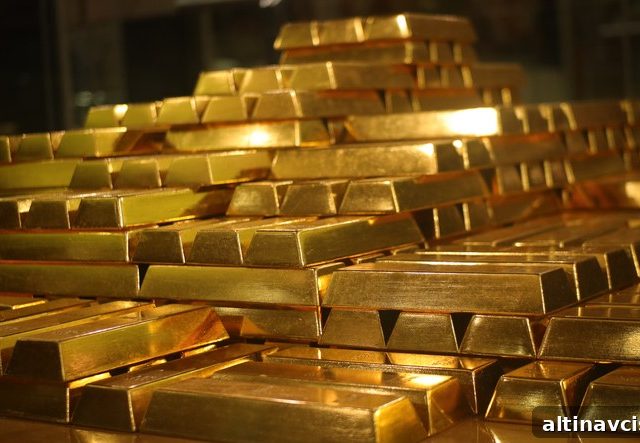
Swiss Gold Traders Reject Swatch CEO Plan Against US Tariffs
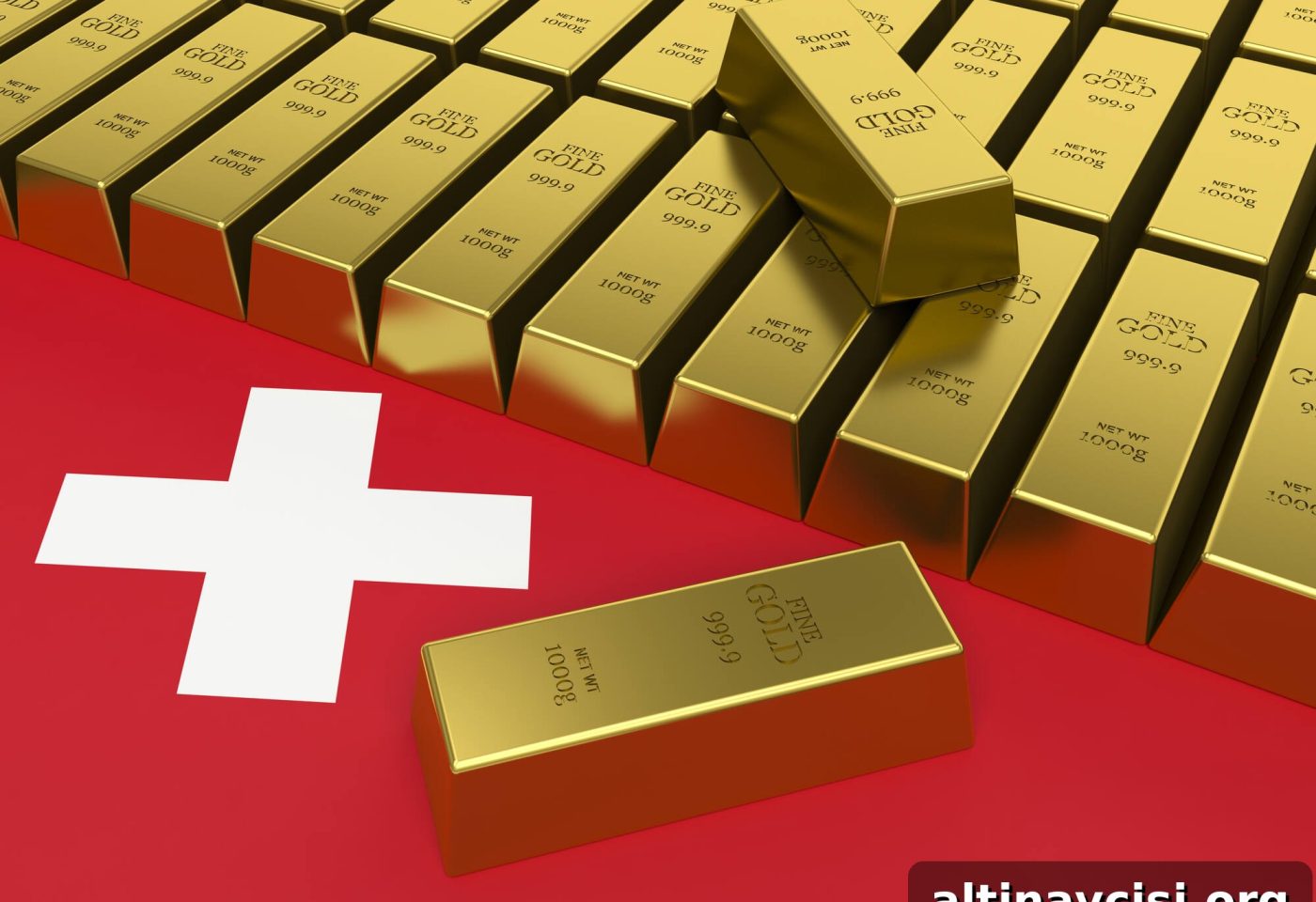
Swiss Gold Industry Questions Hayek’s Proposed 39% Export Tax on Gold Bars
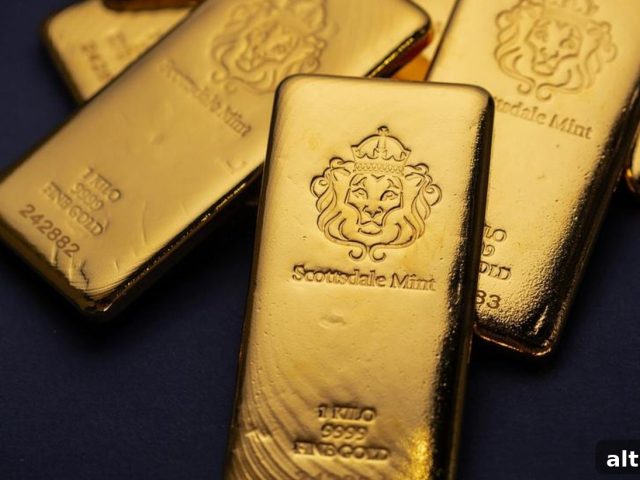
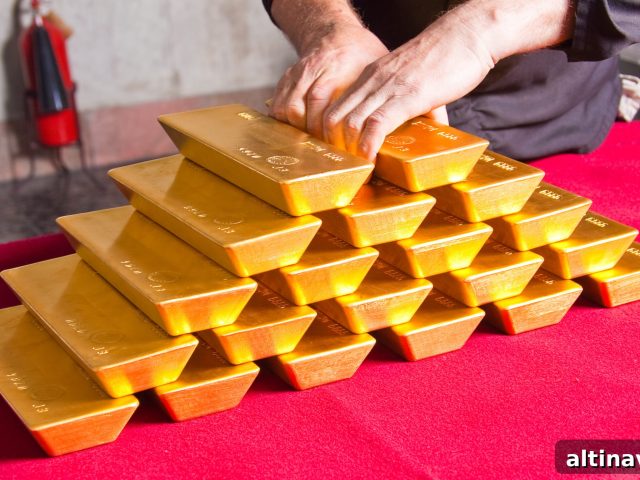
Switzerland’s gold and precious metals sector has voiced strong skepticism about a proposal by Swatch CEO Nick Hayek to introduce a 39% export tax on gold bars destined for the United States. The suggestion surfaced after a period of trade tensions when President Trump announced 39% tariffs on a range of Swiss goods, a move that briefly raised concerns across Swiss industry. Although the U.S. later clarified that gold itself would not be subject to those tariffs, the idea of a retaliatory export tax on Swiss gold has sparked debate within Switzerland’s financial and manufacturing communities.
The Swiss Association of Manufacturers and Traders in Precious Metals has publicly warned that imposing a 39% levy on gold exports would be economically damaging. The association argues such a measure could disrupt established trade flows, raise costs for Swiss refiners and exporters, and undermine Switzerland’s long-standing image as an advocate of free and open trade. Industry leaders emphasize that Switzerland’s reputation for reliable market practices and trade stability is a critical asset that could be eroded by sudden, heavy-handed export taxes.
Beyond immediate commercial consequences, the association and other observers note broader risks. An export tax targeted at gold bars might complicate relationships with international buyers and financial partners, lead to market distortions, and create legal and logistical challenges for companies that have built supply chains and contracts around predictable export rules. The potential for retaliatory measures or countermeasures from trading partners could also escalate tensions rather than resolve trade disputes through diplomatic channels.
Advocates for alternative responses argue that Switzerland already has established tools for addressing trade disputes, including diplomatic negotiation and engagement through bilateral and multilateral institutions. The proposal by Mr. Hayek was framed as a retaliatory option, but industry groups say that targeted diplomacy and ongoing talks are preferable to broad fiscal measures that could affect the wider economy. Swiss officials, the association notes, continue to pursue dialogue with U.S. counterparts to seek reductions or clarifications on tariffs and to protect bilateral trade relationships.
Market participants and analysts highlight that gold plays a unique role in Switzerland’s economy, interlinked with banking, refining, and international commodity markets. Any sudden changes in taxation policy would ripple across these sectors, affecting not only exporters but also the domestic services that support precious metals trade. Those who manage global supply chains caution that trust and predictability are essential: buyers, refineries, and investors rely on stable regulatory frameworks to plan and operate efficiently.
At the same time, proponents of stronger countermeasures contend that bold responses can serve as leverage in negotiations. Supporters of the proposed export tax argue that visible, substantive measures could pressure trading partners to reconsider tariffs and lead to swifter diplomatic resolutions. However, the perceived short-term gain of a punitive tax must be weighed against the long-term costs to Switzerland’s competitiveness, trade relationships, and international standing.
As discussions continue, industry associations are calling for measured, legally sound approaches that preserve market stability. They recommend continued diplomatic engagement, careful assessment of potential economic impacts, and consultation with affected companies before any fiscal measure is implemented. Swiss negotiators are reported to be actively pursuing talks aimed at reducing trade frictions, while industry voices emphasize prevention of unintended consequences that could follow a steep export tax on precious metals.
In summary, the proposal by Swatch CEO Nick Hayek to impose a 39% export tax on gold bars sent to the United States has met with caution and criticism from Switzerland’s precious metals industry. The Swiss Association of Manufacturers and Traders in Precious Metals warns that such a tax could harm Switzerland economically and tarnish its reputation as a defender of free trade. Rather than immediate punitive measures, the prevailing industry view favors diplomatic engagement and careful evaluation of any policy that could disrupt one of Switzerland’s important international markets.
Popular Topics
Picked from the archive
-
01
 Topics
Major Oil Companies Withdraw from Leading Net Zero Group
-
02
Topics
Federal Reserve Keeps Rates Steady Amid Economic Uncertainty
-
03
Topics
Gold Prices Slip as Tariff Tensions Rattle Markets
-
04
Topics
Retail Investors Rush into Risky Meme Forex Trades
-
05
Topics
Swiss Precious Metals Association Warns on 39% US Gold Tariffs
-
06
Topics
Formalizing Artisanal Gold Mining to Protect 20 Million Jobs
-
07
Topics
Gold and Silver Rally as Markets Anticipate Fed Rate Cuts
-
08
Topics
Gold Has Matched Stock Returns Since 1971: Why It Matters