Middle East Tensions Lift Gold Prices; Platinum Hits 2021 High
Gold Holds Steady Near $3,388 as Markets Await Federal Reserve Decision; Platinum Climbs to Four-Year High
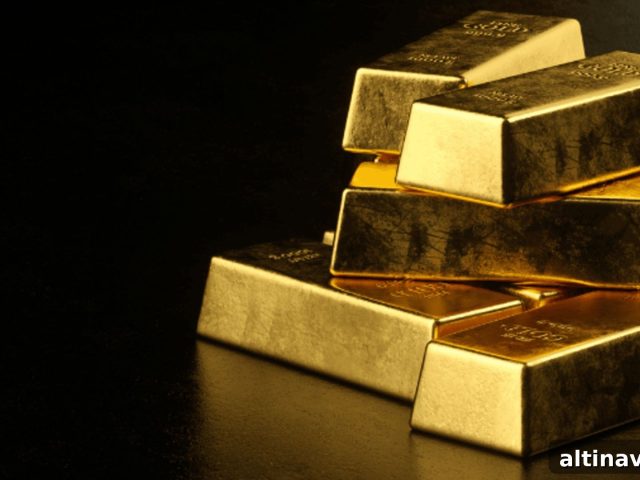
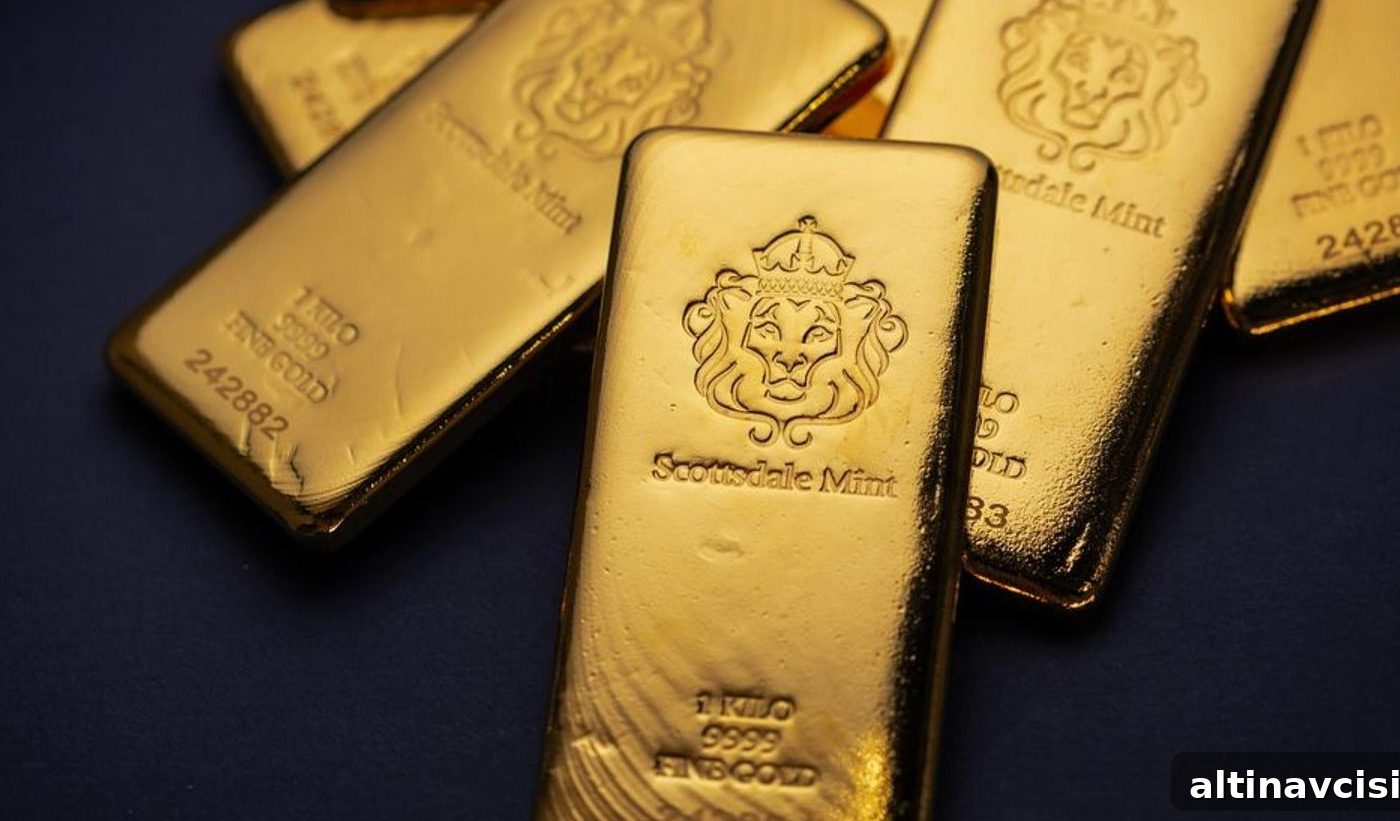
Gold prices were steady around $3,388 per ounce as market participants awaited the Federal Reserve’s next interest rate decision and tracked ongoing tensions in the Middle East. The metal’s relative calm reflects investor caution ahead of central bank guidance that could influence interest rates, the U.S. dollar and real yields—all key drivers for precious metals. At the same time, platinum stood out with a sharp advance, rising about 3.5% to reach a four-year peak of $1,307 per ounce, bolstered by expectations that it could increasingly feature in Chinese jewelry demand where cost pressures have made gold less accessible for some buyers.
Why the Fed Decision Matters for Gold
The Federal Reserve’s policy stance plays a central role in the outlook for gold. When the Fed keeps interest rates unchanged or signals a dovish tilt, real interest rates may fall, reducing the opportunity cost of holding non-yielding assets like gold and typically supporting the metal’s price. Conversely, indications of higher-for-longer rates can strengthen the U.S. dollar and push up real yields, putting downward pressure on bullion. With traders expecting the Fed to leave rates unchanged this time, much of the near-term focus is on the central bank’s forward guidance and the economic data that will shape monetary policy expectations.
Geopolitical Risk and Safe-Haven Demand
Geopolitical uncertainty—particularly tensions in the Middle East—continues to underpin demand for safe-haven assets such as gold. Episodes of regional instability can prompt investors to shift assets into perceived safe stores of value, supporting bullion. Although gold’s price remained relatively flat in the latest trading, the presence of geopolitical risk provides a backdrop that can limit severe downside moves and contribute to periodic upward spikes when risk sentiment deteriorates.
Platinum’s Strong Gain and Jewelry Substitution Dynamics
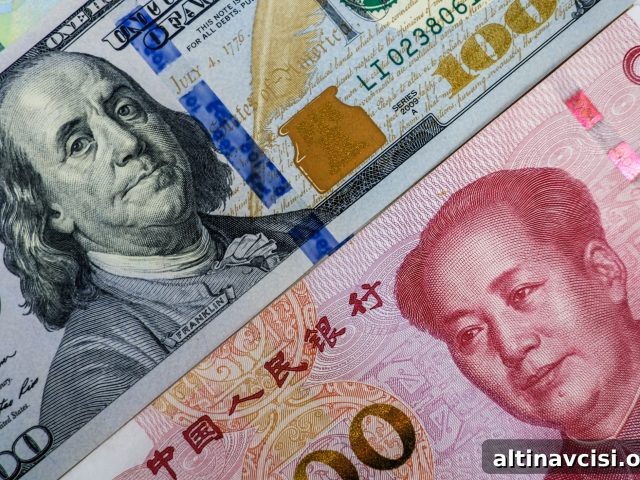
Platinum’s rally to $1,307, a four-year high, highlights evolving dynamics in the precious metals complex. The 3.5% surge was partly driven by speculation and market expectations that platinum could substitute for gold in certain segments of jewelry demand—particularly in China—where rising costs for gold may encourage manufacturers and consumers to consider more affordable alternatives. While platinum traditionally has stronger industrial applications, especially in automotive catalytic converters, changes in jewelry preferences can meaningfully influence its price when demand shifts at scale.
Factors Traders Will Watch Next
Several indicators and events will likely shape precious metals’ near-term trajectory:
- The Federal Reserve’s policy decision and any accompanying guidance on the path for interest rates and inflation expectations.
- Movements in the U.S. dollar and real interest rates, which affect the relative attractiveness of non-yielding assets like gold.
- Updates on geopolitical developments in the Middle East and other regions that drive safe-haven flows.
- Physical demand trends, including seasonal jewelry buying patterns and substitution effects in large markets such as China.
- Supply-side considerations for platinum and other metals, including mining output and industrial demand.
Implications for Investors
For investors, the current environment suggests a cautious but attentive approach. Gold’s stability near current levels indicates that the market is awaiting clearer guidance from monetary policymakers and further geopolitical signals. Those seeking exposure to precious metals should weigh the potential for safe-haven-driven rallies against the sensitivity of prices to interest rate expectations and currency moves. Diversification across different metals—such as allocating to both gold and platinum—can offer a hedge against distinct demand drivers: gold’s role as a monetary and risk-hedging asset and platinum’s mix of industrial and jewelry demand.
In summary, gold’s steady pricing reflects market anticipation of the Federal Reserve’s decision and the ongoing influence of geopolitical risks on investor behavior. Meanwhile, platinum’s notable advance underscores shifting demand dynamics that market participants will continue to monitor closely.
Popular Topics
Picked from the archive
-
01
 Topics
Gold Falls to 3,300 as Strong Dollar, Inflation Hits Markets
-
02
Topics
13 Countries Adopt Yuan, Challenging Dollar Dominance
-
03
Topics
US Initial Jobless Claims Jump to 240,000
-
04
Topics
What’s Driving Gold Volatility: Trade Tensions or Inflation?
-
05
Topics
Why Investors Are Treating Gold as a Strategic Asset Again
-
06
Topics
Gold Prices Fall from Records as US-China Tensions Ease
-
07
Topics
Markets Doubt Trump’s Ability to Balance Tax Cuts and Spending
-
08
Topics
Global Central Banks Slow Gold Buying as Prices Reach Record Highs