China Cuts Rare-Earth Magnet Exports; Supply Falls 74%
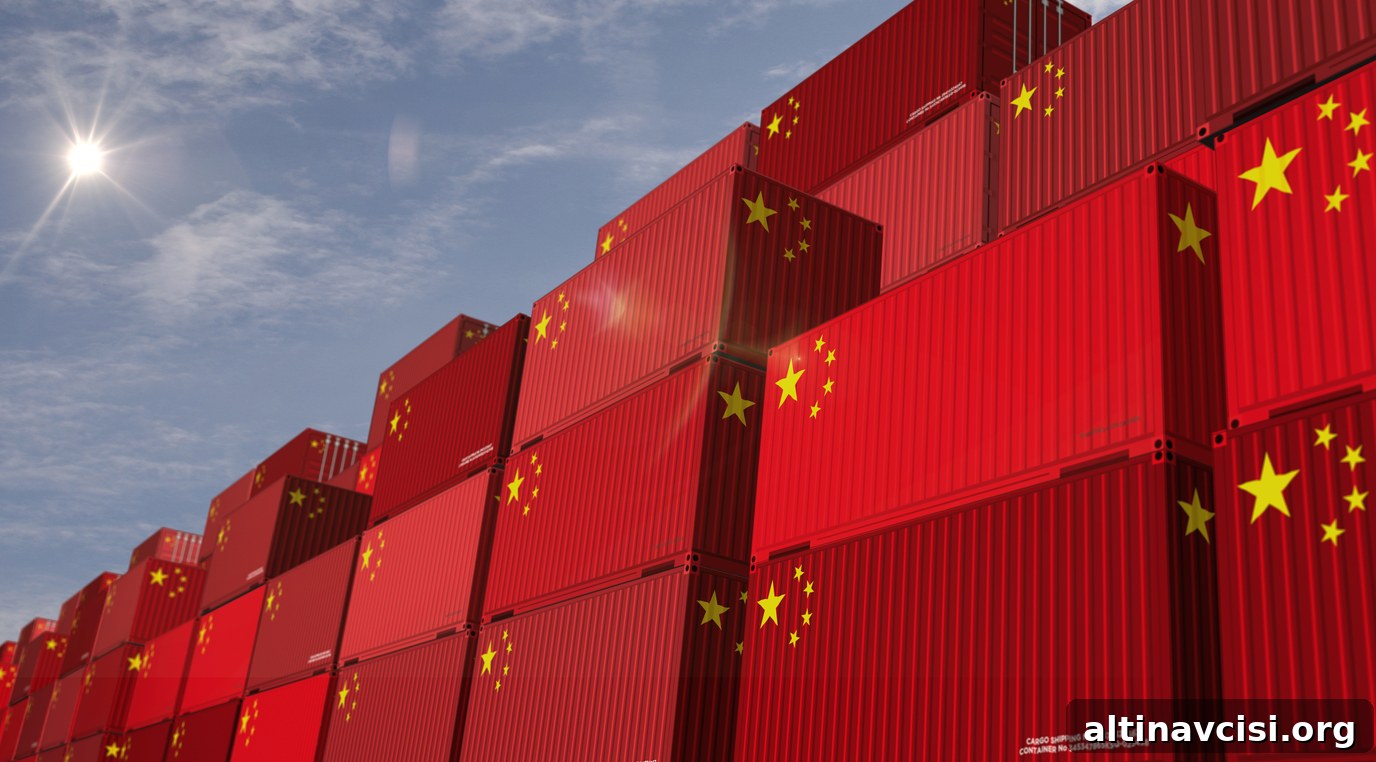
China’s Rare Earth Magnet Exports Plunge in May, Hitting a Five-Year Low
China’s exports of rare earth magnets dropped by more than 50% in May compared with April, marking the lowest monthly level in over five years. The abrupt decline followed the implementation of new export restrictions in April that target rare earth products and magnets, measures that have had immediate consequences for global supply chains.
Why the Export Drop Matters
China is the dominant global supplier of rare earth materials and related magnets, and it controls a significant share—more than 90%—of world production. Rare earth magnets are essential components in a wide range of high-value industries, including automotive manufacturing (particularly electric vehicle motors), aerospace systems, semiconductor manufacturing tools, and certain military platforms and equipment. Because of China’s central role in production, any substantial cut in exports directly affects manufacturers and procurement teams worldwide.
Impact on Supply Chains and Industries
The sudden reduction in shipments has created immediate logistical and planning challenges. Companies that rely on a steady flow of rare earth magnets face postponed deliveries, strained inventories, and heightened procurement costs. Sectors that depend on these components may experience production slowdowns or need to seek temporary substitutions while they reassess sourcing strategies. The disruption also complicates long-term planning for companies investing in electric vehicles, advanced electronics, and defense-related technologies.
Regulatory Changes and Ongoing Uncertainty
China’s export curbs were introduced in April, and although Beijing has indicated an intention to speed up approval processes in the wake of recent U.S.-China trade discussions, customs authorities have since exercised caution in processing outbound shipments. That cautious stance at the border has contributed to persistent uncertainty for global buyers, who remain unsure about timing, approval criteria, and the consistency of future shipments.
How Buyers Are Responding
Global buyers are confronting a difficult environment: some are re-evaluating inventory strategies, increasing safety stocks where possible, and seeking alternative suppliers or materials to mitigate risk. Others are accelerating qualification programs for non-Chinese sources, while a portion of manufacturers is reassessing production schedules until clarity returns. Nonetheless, finding alternative sources that can match both volume and quality can be challenging, given China’s dominant position in rare earth magnet manufacturing.
Short-Term and Medium-Term Outlook
In the near term, volatility in shipments and lead times is likely to continue while customs authorities and exporters adapt to the new regulatory framework. The medium-term picture will depend on how export controls are implemented in practice, how quickly approvals can be processed, and whether global buyers succeed in diversifying supply chains. Any sustained limitations on exports could spur investments in alternative production capacity outside China, but such shifts typically require significant time and capital to realize.
Key Takeaways for Procurement and Supply Chain Teams
- Expect short-term disruptions and plan for potential delays in rare earth magnet deliveries.
- Review inventory policies and consider increasing safety stocks where feasible.
- Evaluate alternative suppliers and materials, while recognizing the challenges of matching China’s scale and quality.
- Monitor regulatory updates and communications from Chinese authorities closely for changes to approval processes.
- Engage with legal and trade advisors to understand compliance requirements and implications for contracts and logistics.
The steep decline in exports in May underscores the sensitivity of global manufacturing to policy shifts in a dominant supplier country. Until customs practices and export approvals become more predictable, businesses that rely on rare earth magnets will face an elevated level of supply chain risk and uncertainty.
Popular Topics
Picked from the archive
-
01
 Topics
Gold Price Tops $3,350 on Tariff Fears, Ukraine Tensions
-
02
Topics
Gold Gains as Dollar Slips Despite US China Tariff Truce
-
03
Topics
Kevin O’Leary Rejects Wall Street’s 2025 Recession Forecast
-
04
Topics
Dollar Surges After Strong Jobs Report, Fed Rate Cut Delayed
-
05
Topics
Analysts Still Bullish on Gold After Recent Pullback
-
06
Topics
Treasury Yields Slip Ahead of U.S.-China Summit in London
-
07
Topics
Gold Rises as Investors Await Inflation Data and Trade Talks
-
08
Topics
Why HSBC Says Market Bears Are Wrong About Stocks