Gold Rises to No. 2 Global Reserve amid Sanctions Concerns

Gold Surpasses the Euro to Become the Second-Largest Reserve Asset
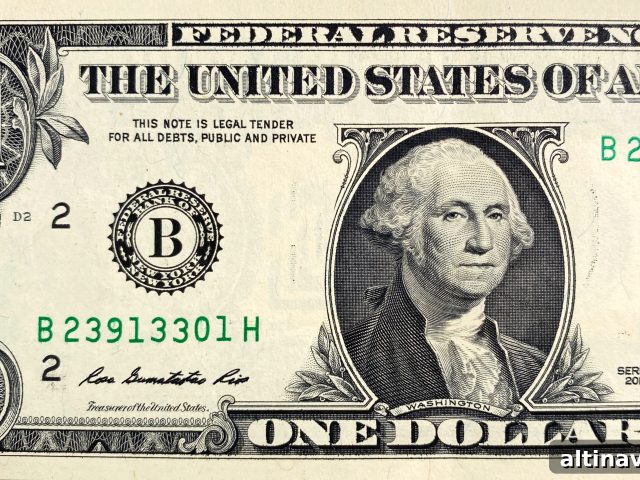
Central banks around the globe have elevated gold to the position of the second-largest reserve asset after the US dollar, overtaking the euro for the first time in modern reserve statistics. Gold now accounts for roughly 20% of global reserves compared with the euro’s 16%, reflecting a notable shift in how official institutions balance their holdings.
Record Buying and Changing Priorities
Since 2022, central banks have bought more than 1,000 tonnes of gold each year, a pace roughly double the previous rate of accumulation. These record purchases have contributed directly to the rise of gold’s share in global reserves. The trend signals a reassessment of priorities by reserve managers: protecting access to assets under varying geopolitical conditions and maintaining long-term monetary stability rather than chasing short-term yield.
Sanctions, Sovereignty and the Appeal of Gold
One important driver of the recent acceleration is concern over the vulnerability of foreign-exchange reserves to sanctions and other forms of external pressure. The freezing of a major country’s reserves after the invasion of Ukraine prompted many central banks to consider assets that are less susceptible to such actions. Gold, as a physical and universally recognized store of value, is seen by many as a sanctions-resistant and sovereign asset that can complement currency holdings.
Market Impact and Price Performance
Gold prices have roughly doubled since late 2022, reflecting both stronger official demand and broader investor interest in safe-haven assets. The combination of sustained central-bank buying and heightened geopolitical uncertainty has tightened gold markets, supporting higher prices. For central banks, rising gold prices increase the value of existing holdings, reinforcing the decision to hold more gold as part of a diversified reserve portfolio.
Why Central Banks Choose Gold
Central banks typically include gold in reserves for several practical reasons:
- Diversification: Gold provides a non-correlated asset that can reduce overall portfolio risk when held alongside currencies and government bonds.
- Liquidity and Recognition: Gold is globally recognized and can be monetized in times of stress or convertibility needs.
- Hedge Against Geopolitical Risk: Gold is viewed as a tangible asset less tied to any single country’s financial system.
- Long-Term Store of Value: Historically, gold has preserved purchasing power over long periods.
Who Is Buying?
Recent buying has been notable among a number of central banks that prioritize financial sovereignty and stability. In particular, central banks aligned with major emerging economies and those seeking to reduce exposure to specific foreign currencies have been prominent in these purchases.
Implications for Global Reserves and Policy
The rise of gold’s share in global reserves carries several implications. Greater allocation to gold changes the composition of official balance sheets, potentially reducing the relative weight of major reserve currencies such as the euro. It also signals a shift in how central banks view geopolitical risk and the tools available to safeguard national wealth. For international markets, sustained official demand for gold can support higher prices and influence private investor behavior.
Outlook and Considerations
While the move toward gold reflects legitimate concerns about sanctions and geopolitical volatility, central banks must balance the benefits of gold with operational considerations, such as storage, insurance, and liquidity management. Gold does not yield interest the way bonds do, so decisions to increase gold holdings reflect a deliberate preference for safety, diversification, and sovereignty over short-term yields.
Popular Topics
Picked from the archive
-
01
 Topics
Gold Price Tops $3,350 on Tariff Fears, Ukraine Tensions
-
02
Topics
Gold Gains as Dollar Slips Despite US China Tariff Truce
-
03
Topics
Kevin O’Leary Rejects Wall Street’s 2025 Recession Forecast
-
04
Topics
Dollar Surges After Strong Jobs Report, Fed Rate Cut Delayed
-
05
Topics
Analysts Still Bullish on Gold After Recent Pullback
-
06
Topics
Treasury Yields Slip Ahead of U.S.-China Summit in London
-
07
Topics
Gold Rises as Investors Await Inflation Data and Trade Talks
-
08
Topics
Why HSBC Says Market Bears Are Wrong About Stocks