Gold Surges 1.7% After Israel Strikes Iran

Gold Nears Record as Middle East Tensions and Softer U.S. Inflation Bolster Demand
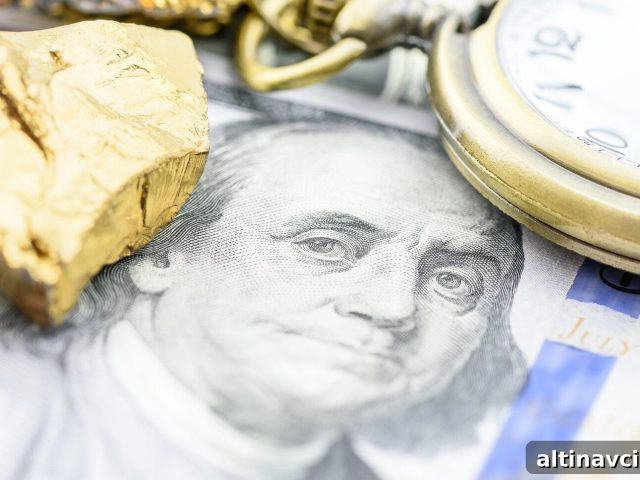
Gold jumped 1.7% to $3,439.79 per ounce on Friday, closing in on its April peak of $3,500.05, as renewed regional tensions and a softer U.S. inflation backdrop pushed investors toward the safe-haven metal. For the week, gold recorded roughly a 4% gain, reflecting a rapid shift in sentiment driven by geopolitical risk and monetary policy expectations.
What’s Driving the Rally
Two primary forces fueled the rise. First, Israeli airstrikes on Iranian nuclear facilities and missile factories revived fears of a wider geopolitical conflict in the Middle East. Heightened uncertainty typically drives investors into assets perceived as safe stores of value, and gold is a traditional beneficiary under such conditions.
Second, cooler-than-expected U.S. inflation readings have increased market expectations that the Federal Reserve will begin cutting interest rates in the coming months. Lower interest rates tend to reduce real yields on government bonds, making non-yielding assets like gold more attractive in relative terms. Together, geopolitical risk and a softer inflation outlook created a potent backdrop for higher gold prices.
Institutional Views and Forecasts
Major financial institutions remain bullish on gold’s medium-term outlook. Goldman Sachs has a target of $3,700 per ounce by the end of 2025, while Bank of America projects gold could reach $4,000 within the next 12 months. Both banks point to continued central bank purchases as an important structural support for the market. Central banks around the world have been diversifying reserves, and persistent buying can provide a firm floor under prices even when retail demand fluctuates.
Physical Demand Trends
Despite institutional optimism, physical demand in parts of Asia softened as prices climbed to fresh highs. India, the world’s largest consumer of gold for jewelry and cultural purposes, saw the metal cross the psychologically important 100,000-rupee threshold, which dampened some retail buying. When local prices surge quickly, consumers often delay purchases, weighing higher costs against seasonal or cultural buying cycles.
Similar dynamics can play out in other Asian markets: investment bars and coins may see fluctuating demand as local buyers respond to price volatility, currency moves and timing of festivals or weddings. Nevertheless, weaker retail or physical demand does not necessarily undercut the broader market if central banks and institutional investors continue accumulating or if ETF inflows remain steady.
What to Watch Next
Key indicators that could influence the next leg of gold’s movement include developments in the Middle East, upcoming U.S. inflation prints, and comments from Federal Reserve officials about the timing and scale of potential rate cuts. Real yields and the U.S. dollar’s direction are also critical: falling real yields and a softer dollar are typically supportive for gold, while a resurgent dollar or rising real rates can exert downward pressure.
Additionally, flows into gold-backed ETFs, continued central bank purchases, and changes in physical demand in major consuming regions like India and China will remain important. Market participants should watch for shifts in these drivers, as they will determine whether gold continues its push toward the April record or experiences a consolidation phase.
Outlook Summary
Gold’s recent surge is a classic response to a combination of heightened geopolitical risk and a more dovish inflation outlook. With central bank buying cited by major banks as a structural support, and with retail demand in some Asian markets temporarily easing at higher price levels, the metal’s near-term path will likely hinge on the interplay between geopolitical developments, inflation trends, and monetary policy expectations. For now, gold sits close to its record, drawing attention from both investors seeking protection and institutions positioning for longer-term reserve and portfolio diversification.
Popular Topics
Picked from the archive
-
01
 Topics
McDonald’s Traffic Plummets as Core Customers Cut Back
-
02
Topics
Regional Banks Face Unrealized Losses and Looming Recession
-
03
Topics
Swiss Gold Imports from US Surge to 12-Year High
-
04
Topics
Gold Hits Two-Week High as Trade Tensions Flare
-
05
Topics
Corporate Outlook Hits Post-Crisis Lows as Trade War Escalates
-
06
Topics
Interactive Brokers’ Sosnick: Why Gold Is America’s Anti-Dollar
-
07
Topics
Treasury Market Steady as GDP Falls and Jobless Claims Rise
-
08
Topics
China Cuts Rare-Earth Magnet Exports; Supply Falls 74%