Currency Markets Brace as US-China Trade Talks Turn Pivotal
Currency Markets Steady as Traders Await US-China Trade Talks in London
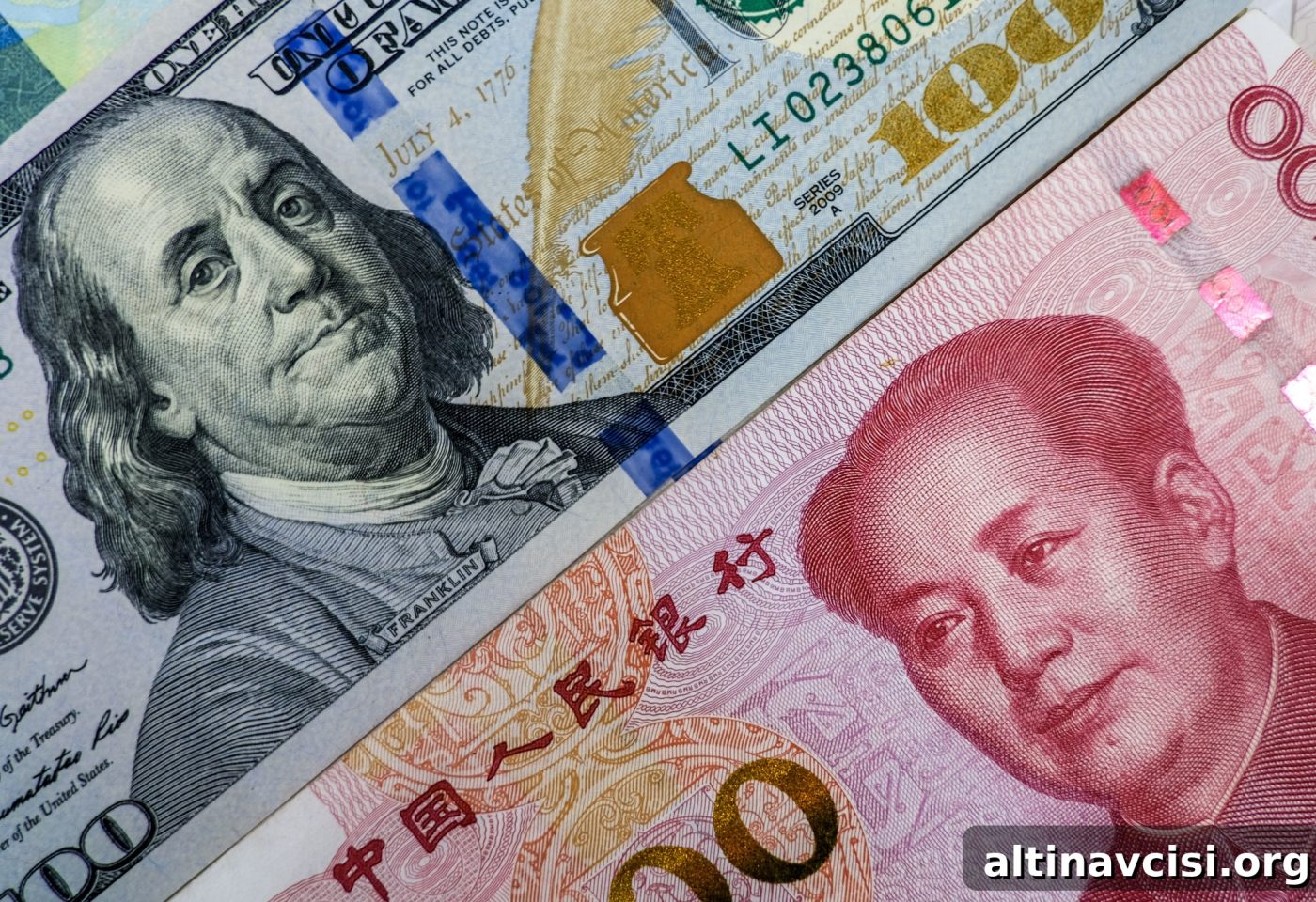
Currency markets displayed measured movements on Tuesday as the dollar held near six-week lows while investors awaited the results of high-stakes US-China trade negotiations taking place in London. The talks follow a phone call between Presidents Trump and Xi Jinping and aim to tackle several complex and sensitive issues, including semiconductor export restrictions, access to rare earth minerals, and student visa policies. These discussions are being watched closely by global investors because their outcome could shape trade flows, supply chains, and monetary policy expectations across major economies.
The dollar index was virtually unchanged at 98.989, reflecting the currency’s notable 8.7% decline so far this year as market participants explore alternatives amid trade uncertainty. The Greenback’s recent softness comes alongside heightened demand for assets perceived as better hedges against policy risk and shifting growth prospects. While the dollar remains a central benchmark for global trade and finance, its recent slide underscores how geopolitical and trade developments can quickly alter investor positioning and capital flows.
Sterling experienced a modest setback, dropping 0.4% to $1.3499 after UK wage growth came in below expectations at 5.2%. Softer-than-forecast wage data may influence the Bank of England’s thinking on the timing and pace of future rate cuts, with markets already pricing in about 48 basis points of easing by year-end. Lower wage growth can weigh on inflationary pressures and, in turn, reduce the urgency for central banks to maintain restrictive policy, a dynamic investors will continue to monitor closely.
Looking at the economic calendar, investors are particularly focused on US inflation data scheduled for Wednesday. Inflation readings remain one of the most important drivers for the Federal Reserve’s policy path; a hotter-than-expected print could reinforce expectations for a longer period of higher rates, while a cooler result would strengthen the case for eventual easing. Against this backdrop, both the Federal Reserve and the Bank of Japan are expected to maintain their current policy settings at upcoming central bank meetings, although global trade tensions and evolving economic data could create nuances in official communications and forward guidance.
The London negotiations cover topics with significant economic and strategic implications. Semiconductor export restrictions can affect technology supply chains and corporate investment plans. Access to rare earth minerals is central to manufacturing for industries ranging from electronics to renewable energy equipment, and any change in trade rules could ripple across commodity markets and industrial production. Student visa policies touch on human capital flows and research collaboration, affecting long-term innovation and labor market dynamics. Each of these areas carries potential implications for currency valuations, trade balances, and investor sentiment.
Market participants are balancing near-term data releases and central bank signaling with the longer-term consequences of trade policy shifts. Short-term currency moves reflect a combination of immediate reaction to headline developments and broader repositioning by funds adjusting risk exposure. Over time, sustained changes in trade arrangements or restrictions can influence capital allocation, corporate supply chain decisions, and cross-border investment patterns, all of which ultimately feed into currency markets.
For traders and portfolio managers, the immediate focus remains on incoming macroeconomic data and the tone of official statements from policymakers and negotiators. Volatility could spike around key releases—such as US inflation figures or any significant announcements from the London talks—creating opportunities and risks for currency traders. As always, liquidity conditions, market sentiment, and technical price levels will play important roles in determining the magnitude and persistence of any moves.
In summary, currencies moved cautiously on Tuesday as the dollar hovered near recent lows and sterling reacted to softer UK wage growth. With US inflation data imminent and central bank meetings on the horizon, investors are weighing how trade negotiations between the United States and China—centered on semiconductors, rare earths, and visa policies—may affect global economic prospects and monetary policy. The coming days are likely to provide clearer signals about the path of interest rates, risk appetite, and the directional bias for major currencies.
Popular Topics
Picked from the archive
-
01
 Topics
Import Tariffs Force Retailers to Pass Costs to Shoppers
-
02
Topics
Trump Admin Says Tax Cuts Save $8T, Experts Warn of $3T Cost
-
03
Topics
Vietnam Ends State Gold Monopoly, Opens Market to Private Firms
-
04
Topics
China Weighs US Trade Proposal, Demands Tariff Rollbacks
-
05
Topics
Yantai, China’s Gold Capital: 39 Years as Top Producer
-
06
Topics
8 U.S. Cities Now Require Six-Figure Incomes to Rent
-
07
Topics
Gold and Silver Rally as Dollar Drops After Weak Economic Data
-
08
Topics
Gold Eyes Monthly Low as Fed Meeting Dims Rate-Cut Hopes