Fed Rate-Cut Bets Lift Gold as Silver Tops 13-Year High
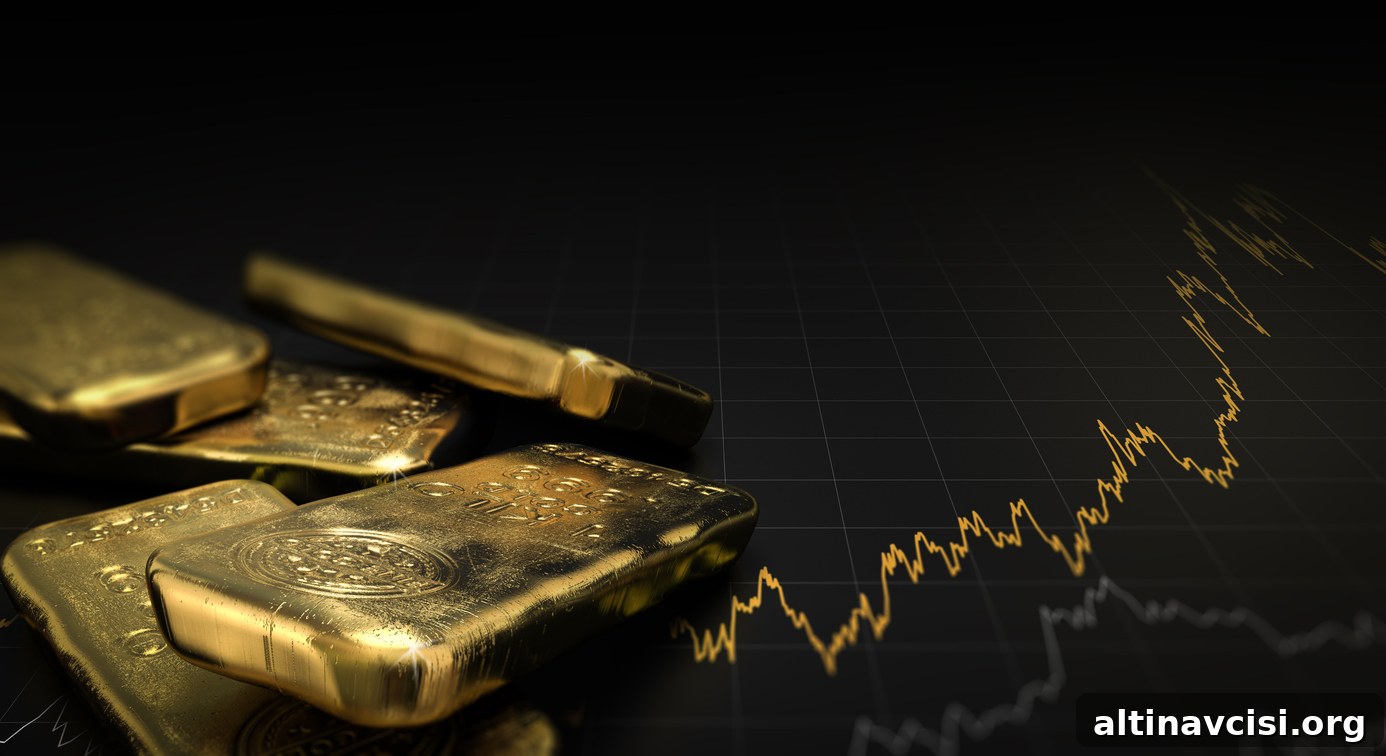
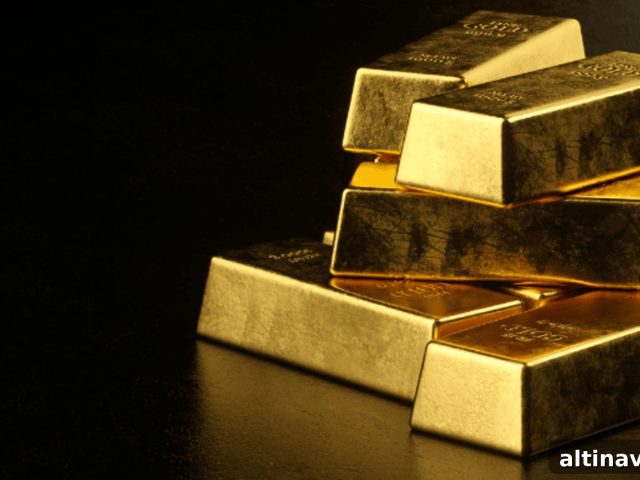
Gold prices moved slightly higher on Friday, putting the metal on track for a weekly gain of about 2.1%. The rise came after U.S. economic indicators suggested a softer outlook for growth, reinforcing market expectations that the Federal Reserve may consider cutting interest rates in the months ahead. As a traditional safe-haven asset, gold tends to perform well when economic uncertainty rises or real interest rates fall, because lower yields reduce the opportunity cost of holding non-yielding assets like bullion.
Silver initially climbed to its highest level in more than a decade, driven by robust industrial demand and reports of constrained supply in some regions. Although silver later eased marginally, the metal’s recent strength underscores strong investor interest and heightened industrial consumption, particularly in sectors such as electronics, solar energy, and automotive components. That industrial link gives silver a dual role—both as a store of value and as an industrial commodity—which can amplify price moves when demand trends shift.
U.S. gold futures rose modestly, reflecting measured buying interest but also some hesitation among traders as the market searches for a clear catalyst to push prices decisively higher. Short-term resistance levels have limited immediate gains, prompting some investors to consider other precious metals that may offer more attractive upside or better value relative to current prices.
Platinum experienced a notable rally, jumping to its strongest levels since early 2022, as market participants reacted to tighter supplies and improving demand fundamentals in industrial and automotive uses. Palladium also registered gains, supported by ongoing demand from automotive catalytic converter manufacturers and constrained mine output in recent years. Together, these moves highlight growing attention across the precious metals complex, beyond the traditional focus on gold alone.
Ole Hansen, head of commodity strategy at Saxo Bank, observed that gold’s comparatively slower pace has prompted investors to look toward undervalued alternatives such as silver and platinum. Lower relative prices for those metals, combined with firm industrial demand and supply-side limitations, are drawing renewed interest from both traders and longer-term investors seeking diversification within the precious metals space.
Why metals markets matter now
Precious metals respond to a mix of macroeconomic and industry-specific factors. Expectations for future interest rates set by central banks, currency movements—especially the U.S. dollar—and inflation trends all influence gold and silver prices. At the same time, platinum and palladium are closely tied to automotive and industrial demand cycles, which can create sharper price reactions when supply and demand fall out of balance.
Investors often use precious metals as portfolio hedges against inflation, currency depreciation, or geopolitical risk. When inflation expectations rise or when bond yields fall, bullion can become more attractive. Conversely, strong economic growth and rising real yields can weigh on non-yielding assets. That dynamic helps explain why market sentiment can shift quickly when new economic data or central bank guidance emerges.
What investors should consider
Diversification within the metals sector can be important. Gold, while a core safe-haven, may offer slower near-term gains compared with metals tightly linked to industrial demand. Silver provides exposure to both monetary and industrial drivers, while platinum and palladium offer targeted exposure to the automotive and manufacturing sectors. Evaluating storage, liquidity, and cost considerations is essential whether investors choose physical metals, exchange-traded funds, or mining equities.
Market participants should also monitor supply-side developments, including mining output, recycling rates, and geopolitical factors that could affect distribution and availability. These supply dynamics, combined with shifts in industrial demand and broader macroeconomic trends, will continue to shape the outlook for precious metals in the months ahead.
Investing in Physical Metals Made Easy
Consider the benefits of holding physical metals as part of a diversified strategy. Physical ownership, when combined with secure storage and transparent pricing, can provide a direct hedge against currency and inflation risks.
Get Gold & Silver Insights Direct to Your Inbox
Join thousands of investors receiving expert market updates, analysis, and timely commentary on precious metals trends. Regular insights can help inform decisions about allocation, timing, and product choices.
Sign up for newsletter updates and market perspectives. No spam—just concise insights and actionable information for precious metals investors.
Popular Topics
Picked from the archive
-
01
 Topics
Import Tariffs Force Retailers to Pass Costs to Shoppers
-
02
Topics
Trump Admin Says Tax Cuts Save $8T, Experts Warn of $3T Cost
-
03
Topics
Vietnam Ends State Gold Monopoly, Opens Market to Private Firms
-
04
Topics
China Weighs US Trade Proposal, Demands Tariff Rollbacks
-
05
Topics
Yantai, China’s Gold Capital: 39 Years as Top Producer
-
06
Topics
8 U.S. Cities Now Require Six-Figure Incomes to Rent
-
07
Topics
Gold and Silver Rally as Dollar Drops After Weak Economic Data
-
08
Topics
Gold Eyes Monthly Low as Fed Meeting Dims Rate-Cut Hopes