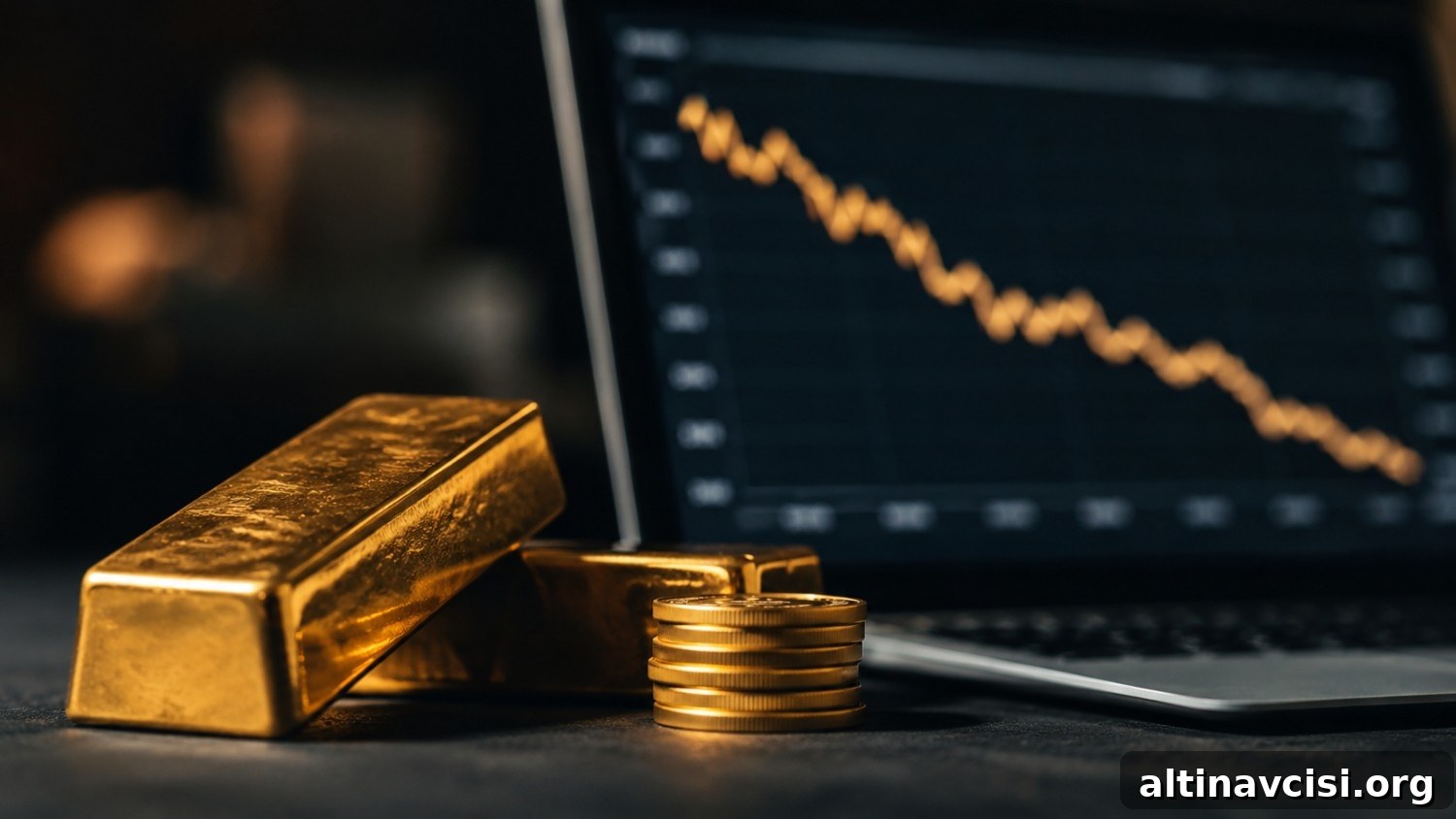
Gold began the second quarter around $4,700 per ounce. By June 30, 2026, the price stood at about $4,015 — a roughly 14% drop for the quarter. That decline marks the weakest quarterly performance for gold since the dramatic sell-off in Q2 2013, when markets reacted to changes in Federal Reserve policy expectations.
The commonly cited drivers are accurate: expectations of higher interest rates, a firmer U.S. dollar, and rising real yields have pressured gold. But that explanation alone does not capture what made this quarter especially notable.
Gold is falling even as a war continues.
Historically, geopolitical conflict — particularly in the Middle East — has been a reliable upside catalyst for gold. Tensions tend to increase risk aversion, elevate safe-haven demand, and boost commodity and inflation expectations. In this cycle, however, the sequence of market reactions created a different outcome.
When conflict disrupted shipping through the Strait of Hormuz, oil prices rose and inflation expectations climbed. Those developments pushed central bank policymakers toward a tighter stance. As the market priced in additional rate hikes, real yields rose. For an asset that produces no income, rising real yields increase the opportunity cost of holding gold, which helps explain its recent weakness.
Why Did a War Push Gold Lower Instead of Higher?
Gold does not generate interest or dividends; its value depends largely on the cost of holding it relative to other assets. Real interest rates are the key variable. When real rates are low or negative, gold becomes more attractive. When real rates rise, that advantage diminishes.
That exact mechanism unfolded this quarter: supply disruptions lifted oil and inflation expectations, which in turn strengthened the case for Federal Reserve rate hikes. Higher expected policy rates and a strong dollar lifted real yields — and that dynamic weighed directly on gold’s paper price.
This is a repricing driven by macroeconomic mechanics rather than a re-evaluation of gold’s monetary role. A comparable pattern appeared during the 2013 taper tantrum, when a sharp rise in real yields pushed gold down dramatically. Markets can remain volatile for quarters, but these moves do not necessarily erase gold’s longer-term function as a store of value.

The Edge Every Investor Needs
Smarter precious metals investing starts here. The Nuggets Newsletter delivers market insights, Fed updates, global trends, and educational content to help investors make informed decisions.
What Are Central Banks Doing While Paper Traders Sell?
While speculative traders adjusted positions based on changing rate expectations, many sovereign buyers continued to accumulate physical gold.
In the first quarter of 2026, central banks recorded notable net purchases of gold, extending a multi-month trend of accumulation. At the same time, retail demand for bars and coins remained strong in several Asian markets. Countries such as Poland, Uzbekistan, Kazakhstan, and China — along with several newer sovereign buyers — continued adding to official reserves, largely undeterred by short-term price moves.
Major financial institutions adjusted their near-term price forecasts to reflect higher real yields and dollar strength, but most maintained a constructive longer-term view. Even when analysts trimmed year-end targets, they emphasized that immediate headwinds did not erase the structural case for gold over a multi-year horizon.
In short: the paper market was pricing a more restrictive interest-rate environment; the physical market was positioning for a longer-term accumulation cycle.
What Would Reverse Gold’s Q2 Decline?
Several upcoming economic releases will be closely watched by markets. Manufacturing activity data and the monthly employment report can influence whether rate-hike expectations remain elevated. If those data points show a cooling in growth or labor-market strength, markets could reduce the odds of further hikes. That would likely compress real yields and alleviate the primary force that pressured gold this quarter.
This is not a prediction but an explanation of how the mechanical relationship between data, policy expectations, and real yields could run in reverse. When rate expectations unwind, gold’s opportunity-cost disadvantage diminishes and its price can recover.
For holders of physical metal, short-term swings matter less than longer-term purchasing power. Investors who buy gold for balance-sheet protection or as a hedge against currency debasement focus on years rather than quarters. A 14% quarterly decline changes prices, not the basic economics that make gold a store of value over time.
That perspective reflects a long-term view on monetary assets, not blind optimism.
Stay On Top of Gold & Silver Prices
Get important market alerts sent straight to your inbox.
SOURCES
1. GoldSilver.com — Live Gold & Silver Price Charts (spot prices, June 30, 2026)
2. Reuters via CNBC — Gold heads for worst quarter in 13 years on strong dollar, Fed hike bets (June 30, 2026)
3. World Gold Council — Gold Demand Trends Q1 2026 (April 29, 2026)
4. OCBC Group Research — Precious Metals Forecasts (June 30, 2026)
5. CME Group — FedWatch Tool (rate hike probability data, June 30, 2026)
6. Goldman Sachs Global Investment Research — Precious Metals Outlook (June 20, 2026)
7. JPMorgan Global Research — Gold Price Forecast 2026
8. Macrotrends — Gold Price Historical Data (Q2 2013 quarterly decline; December 2015 price bottom)
Disclaimer: This article is for informational purposes only and does not constitute financial or investment advice. Always consult a qualified financial adviser before making investment decisions.
You May Also Like:
- 172,000 Jobs Doubled the Forecast. Thursday’s Report Could Move Gold Again.
- The Dot Plot Has 18 Dots. The Chair Withheld His.
- Gold’s Worst Week of 2026. Central Banks Just Filed a Record Buy Signal.
- Silver Looks Like It’s Losing. The Ratio Says It’s Loading.
- Q1 GDP Beat. Jobless Claims Beat. Gold Rose. Here’s Why.
- PCE Hit 4.1%. Gold Went Up. Here’s Why.
- 298 Tonnes of ETF Gold Is Underwater. Central Banks Aren’t.