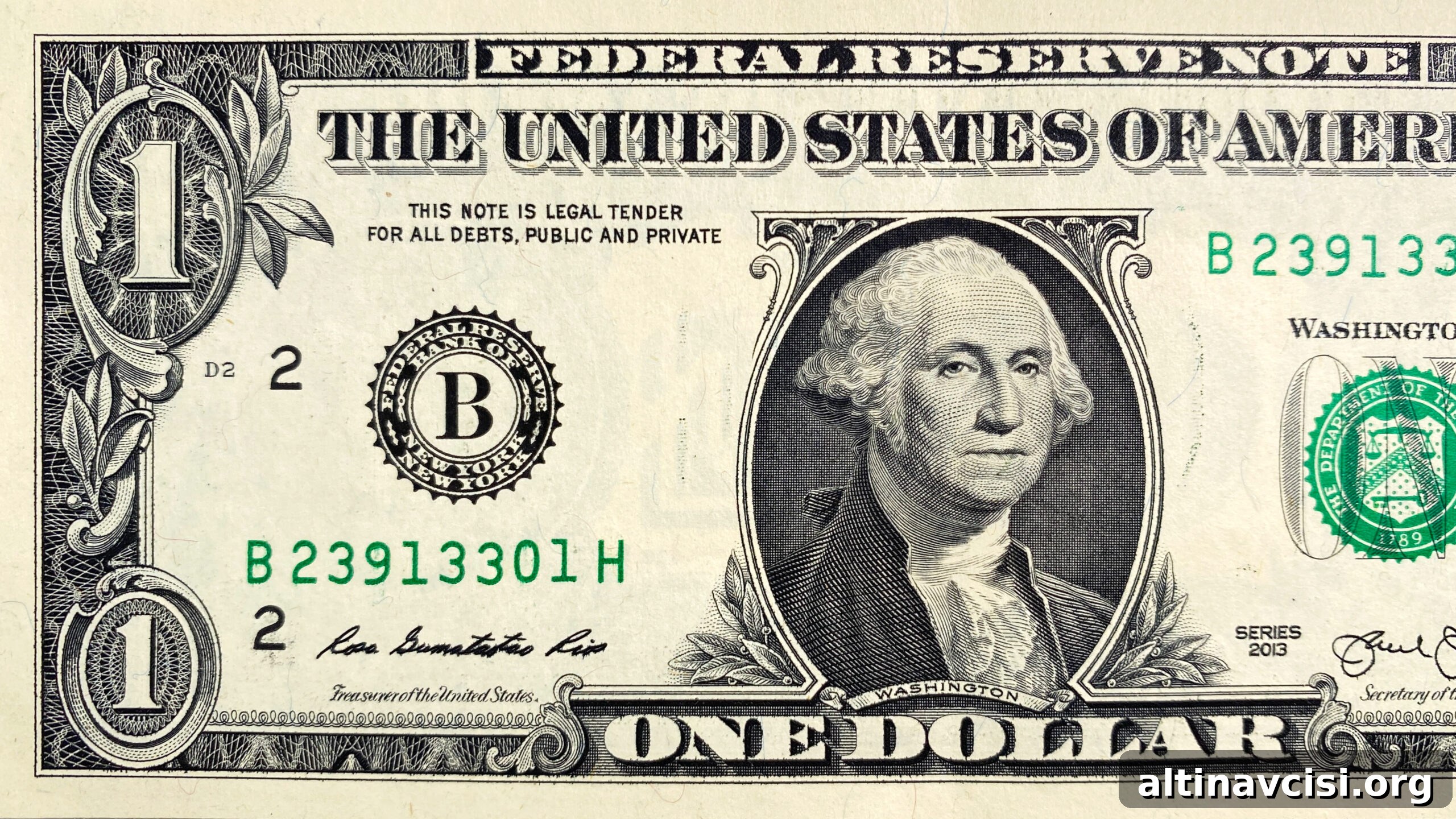
The U.S. dollar gained modestly after President Donald Trump nominated a new Federal Reserve governor, giving markets a brief lift. Despite that uptick, the dollar remains on track for a weekly decline as investors weigh lingering uncertainty and economic signals. Currency traders appear cautious, interpreting the nomination as one factor among many — including interest-rate expectations, economic data, and geopolitical developments — that influence the dollar’s direction.
For investors in gold, this environment reinforces the metal’s appeal as a store of value. Continued dollar volatility and political uncertainty often push some capital toward precious metals, which historically act as a hedge against currency fluctuations and geopolitical risk. As a result, gold may continue to attract attention from both retail and institutional buyers seeking portfolio diversification and protection.
Looking ahead, market participants will monitor incoming economic reports and any further developments around Federal Reserve leadership and policy. Interest-rate projections, inflation readings, and employment numbers are likely to play a key role in shaping near-term currency moves. If the dollar’s downward pressure persists, safe-haven assets such as gold could experience firmer demand, particularly if geopolitical tensions or policy uncertainty intensify.
Ultimately, the dollar’s short-term path will depend on a mix of political events, central bank guidance, and macroeconomic data. Investors should remain attentive to these signals and consider how currency trends and policy shifts might affect their allocations to currencies, bonds, equities, and precious metals.