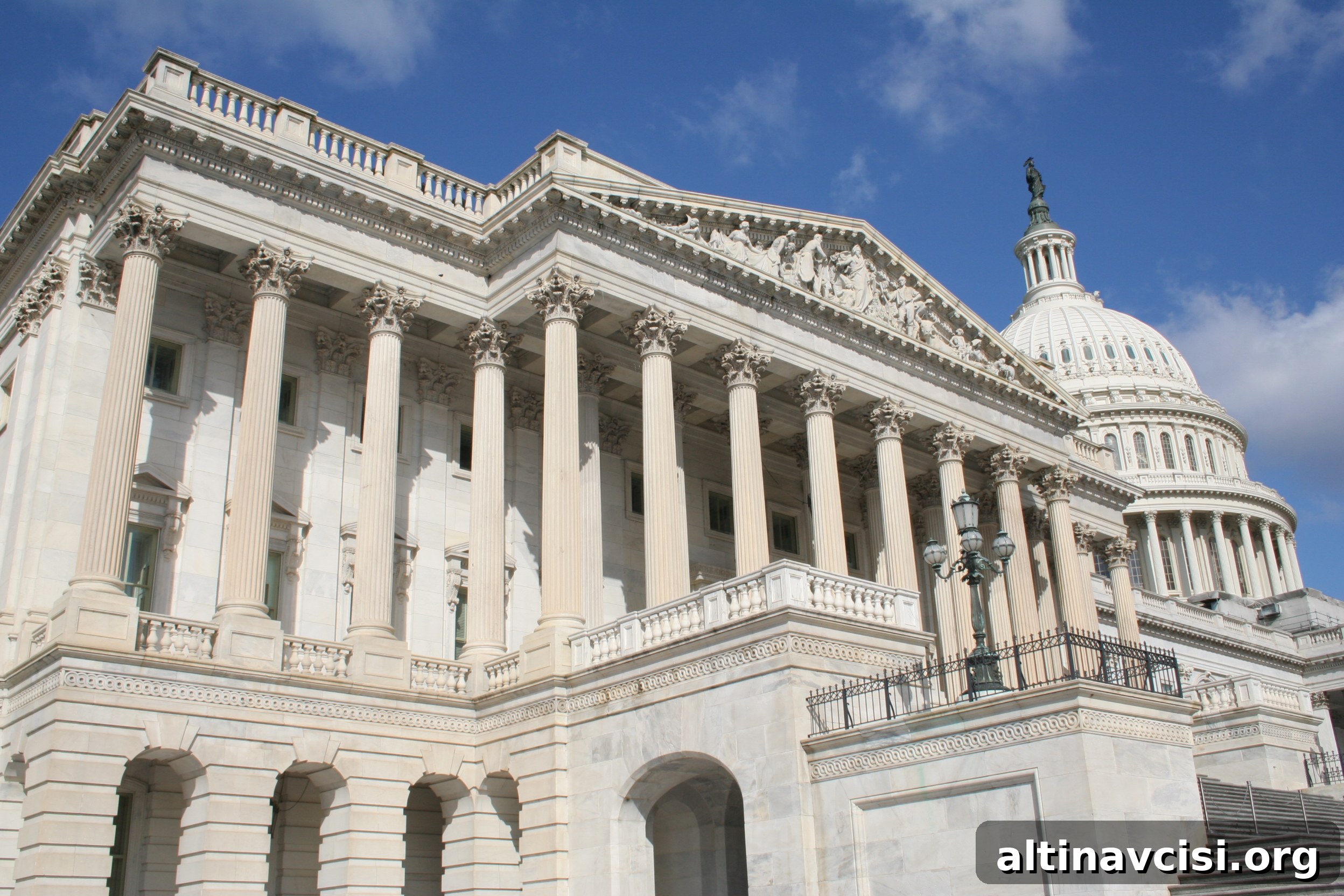
The House narrowly approved President Trump’s comprehensive tax and spending package, a high-profile bill that combines an extension of the 2017 tax cuts with a $4 trillion increase in the federal debt limit. Proponents describe it as a major fiscal and policy effort intended to provide tax relief, strengthen border security and boost defense spending, while critics argue it disproportionately benefits wealthier households and will increase the national debt.
Central elements of the legislation include an expanded state and local tax (SALT) deduction, stricter work requirements for Medicaid recipients, and significant new appropriations for border enforcement and military priorities. Supporters say the SALT changes will provide meaningful tax relief for residents of high-tax states, while enhanced border and defense funding are framed as investments in national security. The Medicaid work rules are presented by backers as a measure to encourage workforce participation and reduce long-term dependency on public benefits.
The final House vote was 215–214. The outcome reflected tight party discipline: every member of the Democratic caucus voted against the measure, and a small number of Republicans opposed it as well. That narrow margin underscores the bill’s political divisiveness and sets up an uncertain path in the Senate, where further debate and amendments are likely before any final passage.
Policy analysts and advocacy groups on both sides have already weighed in. Progressive critics argue the plan skews toward higher-income households because the most substantial tax advantages are concentrated among wealthier taxpayers, and they warn the expanded debt ceiling will lock in higher deficits without sufficient offsetting revenue or spending restraint. Some fiscal watchdogs and nonpartisan analysts project that lower-income families will see smaller gains — or even relative losses — compared with wealthy households under the bill’s combination of tax changes and spending adjustments.
Supporters counter that the bill delivers targeted relief where lawmakers believe it is needed most and that increased defense and border resources respond to urgent national priorities. They also argue that changes like the SALT adjustment help constituents in states with high local taxes who have long sought relief from the limits imposed by prior tax legislation. Advocates for stricter Medicaid work requirements say such policies can promote employment and reduce long-term dependency on government programs, although opponents dispute the magnitude and fairness of those effects.
Looking ahead, the measure now moves to the Senate, where committee review, floor debate and potential amendments could change key provisions. Senators will weigh the political risks and fiscal implications, including how to reconcile competing priorities such as deficit concerns, distributional impacts across income groups, and differing views on the degree of border and defense spending. Given the narrow House vote and the polarized responses it generated, the Senate’s deliberations are likely to be closely watched and could produce substantial further negotiation.
Beyond immediate legislative steps, the bill’s passage in the House will shape public and political discourse as stakeholders examine its likely economic and social effects. Observers will look for updated analyses on who benefits most from the tax provisions, how the Medicaid work requirements are implemented at the state level, and what the projected trajectory of federal debt will be after the changes take effect. Lawmakers, advocacy organizations and state governments may also press for clarifications or revisions during the Senate process or in subsequent legislative or regulatory actions.
In short, the House-approved package represents a significant and contentious effort to reshape fiscal policy by extending major tax cuts and increasing borrowing authority while changing social program rules and boosting border and defense funding. Its future depends on how the Senate responds and whether negotiators can bridge the sharp divides that emerged during the House debate.