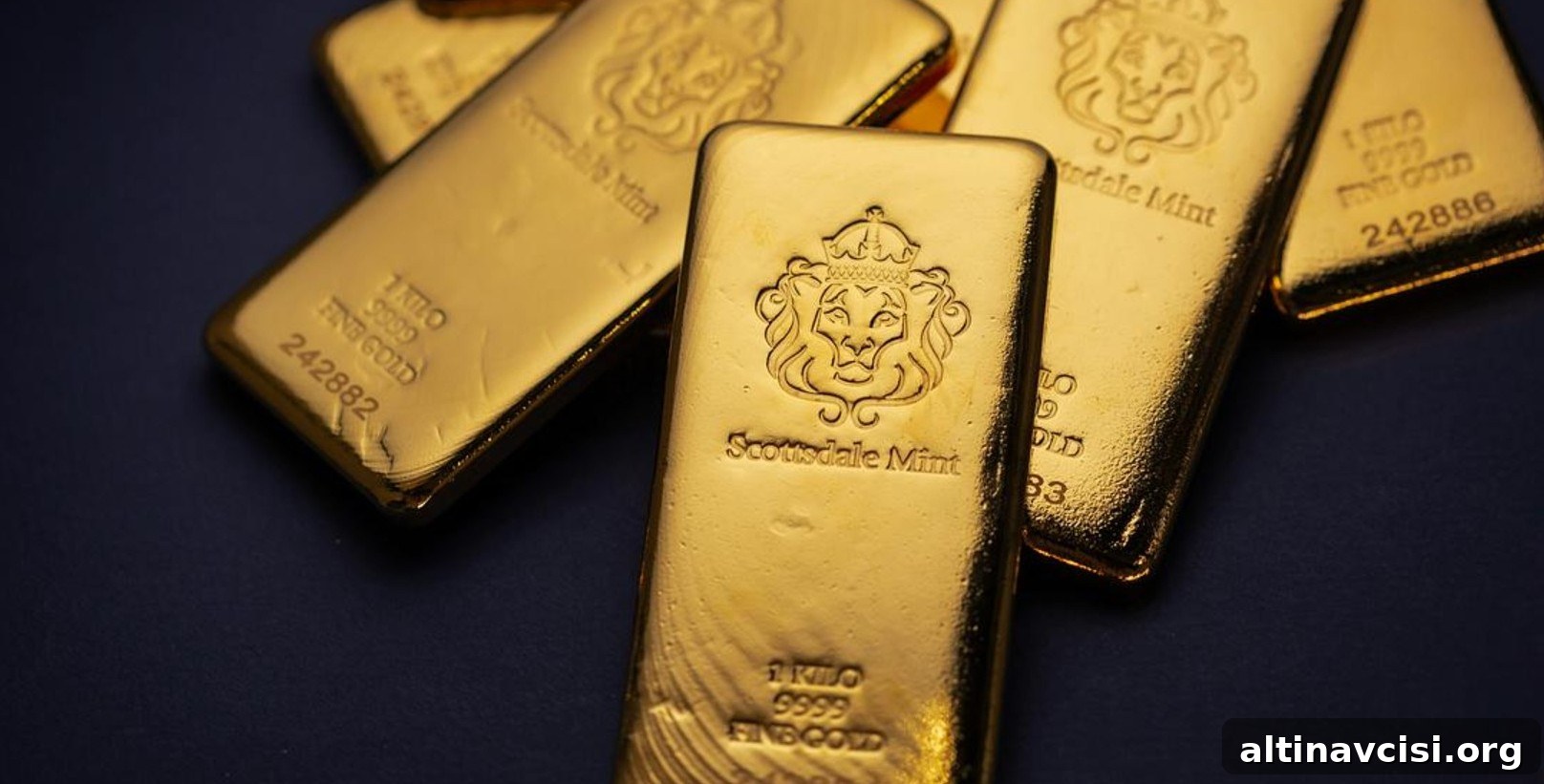
Gold prices edged lower after investors grew more confident following a recent U.S.-Japan trade agreement that eased tariffs and reduced some economic uncertainty. The accord, together with a firmer U.S. dollar and higher Treasury yields, weighed on bullion’s appeal as a safe-haven asset.
At the same time, silver advanced to its strongest level since 2011, supported by robust supply-demand dynamics. The metal’s rally has fueled expectations among traders and investors that silver could soon challenge the psychological $40-per-ounce threshold.
Market watchers note that gold often reacts to shifts in currency strength and real yields: as the dollar strengthens and yields rise, the opportunity cost of holding non-yielding assets such as gold increases, putting downward pressure on prices. Conversely, silver benefits from both investment demand and industrial usage, making it more sensitive to improvements in manufacturing activity and clean-energy adoption, which drive longer-term consumption.
Analysts say the recent moves reflect a mix of geopolitical and economic forces. The trade deal has reduced near-term uncertainty for exporters and supply chains between the two economies, while central bank policy expectations continue to influence interest rates and currency values. Those macro trends can push investors between safe-haven metals like gold and more cyclical, industrial metals like silver.
Short-term traders have responded to the news flow with increased position adjustments, while longer-term investors are watching fundamental indicators such as global mine output, recycling rates, and industrial demand for silver. Should tightening supply or stronger-than-expected industrial demand persist, silver’s gains could extend further. For gold, sustained strength in the dollar or a continued rise in real yields would likely keep prices under pressure unless geopolitical risks or inflation concerns re-emerge.
Overall, the metals market remains sensitive to policy shifts, macroeconomic data, and the evolving outlook for growth and inflation. Investors and analysts will be monitoring upcoming economic releases and central bank statements for clues on whether current trends will continue to favor silver’s momentum or reverse to provide renewed support for gold.