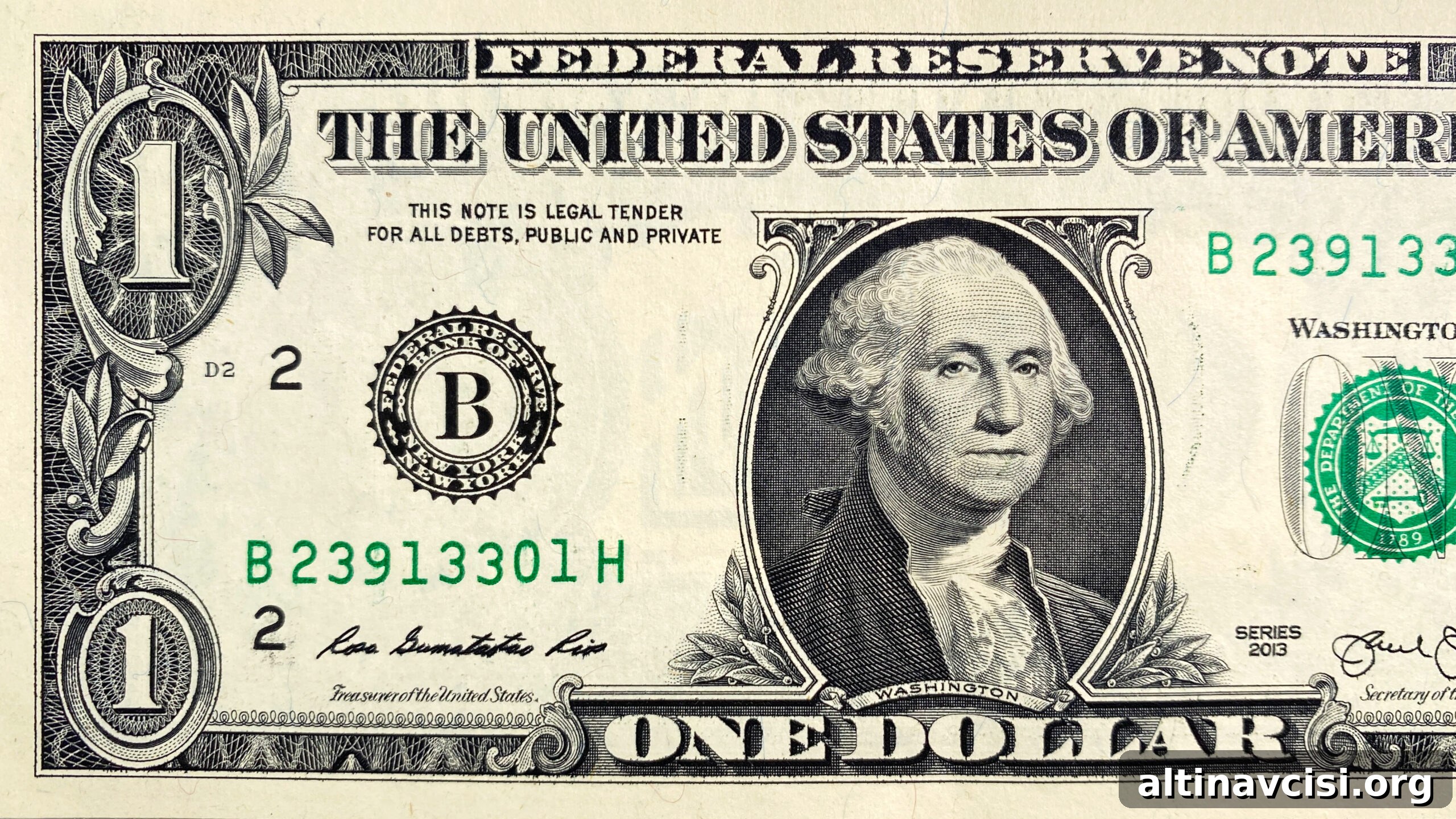
The U.S. dollar tumbled sharply on Tuesday, weakening most noticeably against the Japanese yen and the Swiss franc amid growing concerns about President Trump’s proposed $3.3 trillion package of tax cuts and increased spending.
Against the Swiss franc the dollar dropped to a 10-year low, while versus the yen it neared a one-month trough. At the same time, the euro strengthened, reaching its highest level since late 2021.
Market participants attributed the dollar’s decline to mounting fiscal concerns over the large anticipated rise in government debt, public criticism of the Federal Reserve by the president, and fresh uncertainty surrounding key trade negotiations. Those factors combined to sap investor confidence in U.S. assets and the currency.
Expectations for U.S. monetary policy shifted as a result. Investors are increasingly betting that the Federal Reserve will ease policy more than previously assumed this year. Several investment banks adjusted their outlooks, with Goldman Sachs among those forecasting more rate cuts—raising its estimate from one reduction to as many as three—reflecting a reassessment of growth and inflation prospects in light of fiscal developments.
The moves in currency markets reflected a re-pricing of risk and interest-rate differentials: a weaker dollar lowers yields in real terms and makes alternative currencies relatively more attractive. For traders and multinational firms, these swings underscore the growing sensitivity of exchange rates to political decisions and fiscal policy trajectories in major economies.
While near-term rates and market reactions remain subject to incoming economic data and central bank communications, the episode highlights how fiscal proposals and political statements can quickly influence currency valuations, investor expectations for monetary policy, and global financial conditions.