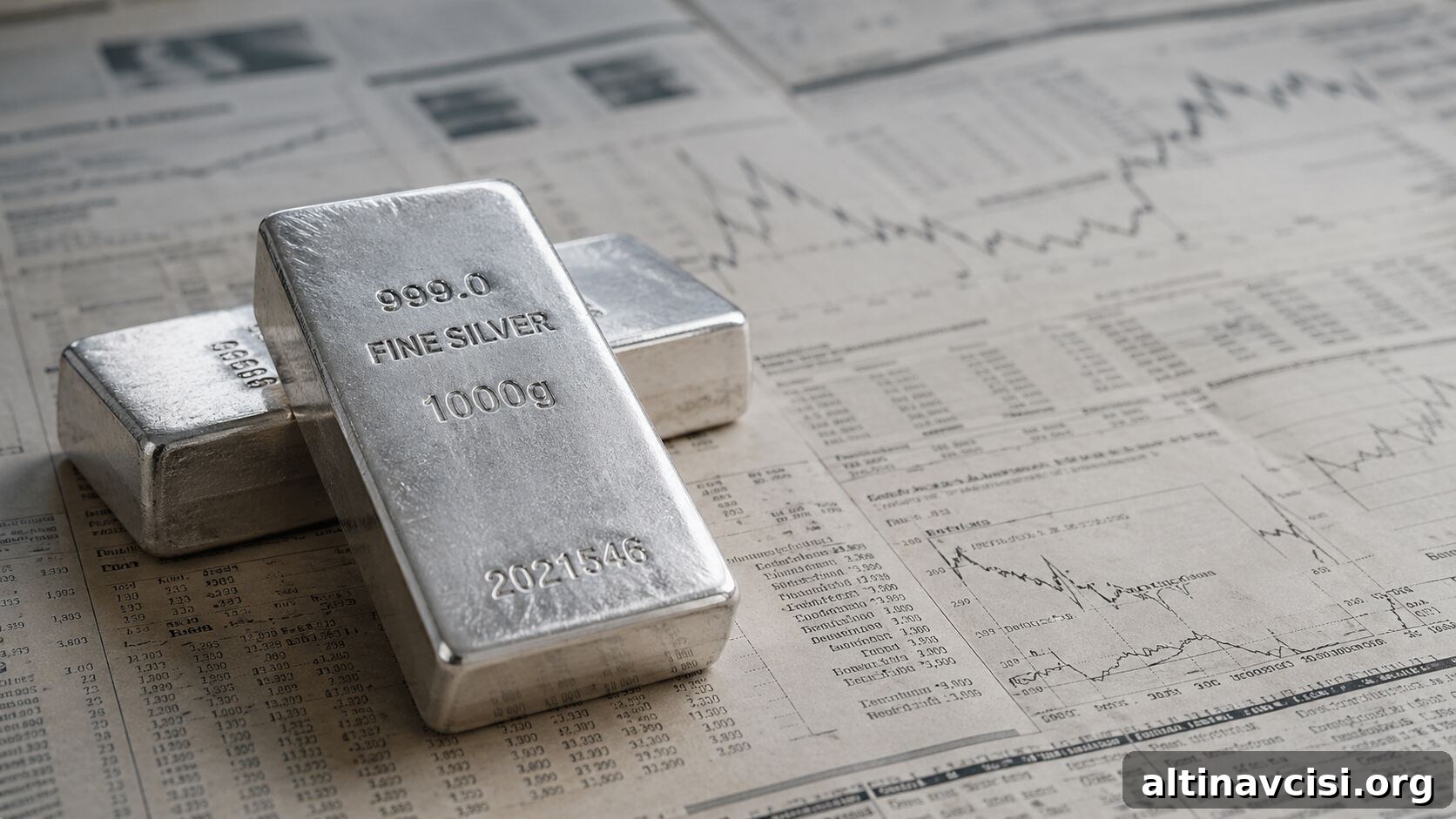
Silver is trading near $73 per ounce—about 40% below its January 2026 record and well under many valuation measures. The gold‑silver ratio is roughly 62:1, close to its modern long‑run average. Adjusted for CPI, the 1980 intraday high of $49.45 equates to roughly $170–$195 today. The Silver Institute forecasts a sixth consecutive annual supply deficit of 67 million ounces in 2026. Taken together, these fundamentals do not indicate silver is overvalued at current levels.
At the time of writing, silver trades near $73 per ounce—down about 40% from the nominal high of $121.67 set on January 29, 2026. That pullback surprised many investors. The key question, however, is not the recent volatility but whether current prices reflect fair value or materially misprice the metal relative to its long‑term benchmarks.
This article examines the main valuation anchors and what they imply about silver’s fair value.
What Does “Silver Fair Value” Actually Mean?
Fair value for silver is not a single fixed number but a range informed by multiple anchors: inflation‑adjusted historical highs, the long‑term relationship with gold, and structural supply‑demand dynamics including industrial usage. No single metric gives the full picture; together they indicate whether current prices represent an opportunity, a fair level, or overvaluation.
Silver is both an industrial metal and a monetary metal with millennia of use as a store of value. Any valuation approach that ignores its monetary role will miss an important piece of the story.

Your Gold Buying Guide Most investors overpay when buying gold and often repeat the mistake when selling. This guide explains what to own and why.
Is Silver Cheap Relative to Its Own History?
The most common historical reference point is the January 1980 intraday peak when the Hunt brothers drove silver to $49.45. In nominal terms that record lasted until 2026; in real purchasing power terms it still stands. Adjusted for CPI, the 1980 high is about $170–$195 per ounce today. By contrast, the 2011 peak near $48.70 adjusts to roughly $70 today—a level silver has already eclipsed this cycle.
At current prices silver has comfortably surpassed its inflation‑adjusted 2011 high but remains roughly 57–60% below the 1980 inflation‑adjusted peak, depending on CPI methodology. That gap does not mean silver must reach $170, because the 1980 spike reflected a cornered market rather than organic price discovery. The practical takeaway is straightforward: silver is not historically expensive at current levels.
What the Gold‑Silver Ratio Tells Us About Relative Value
The gold‑silver ratio shows how many ounces of silver buy one ounce of gold. It is one of the oldest relative valuation tools in precious metals. It does not directly say whether either metal is cheap in dollar terms but indicates which is cheap relative to the other.
The ratio currently sits near 62:1, with gold roughly $4,500–$4,600 and silver near $73. The 50‑year average is about 60:1 and the 21st‑century average closer to 65:1. At 62:1, silver trades broadly in line with its modern norm—neither extreme cheap nor expensive relative to gold. Historically, the ratio reached 127:1 in March 2020 and compressed to around 32:1 in 2011. If gold reached institutional price targets while the ratio tightened—for example toward 55:1—silver could trade substantially higher in those scenarios. The ratio is an anchor, not a guarantee.
Why Is the Silver Supply Deficit Significant?
A multi‑year supply shortfall is a structural feature, not a fleeting detail. The Silver Institute projects a 67 million ounce deficit in 2026—the sixth consecutive year demand has exceeded mine production plus recycling. Even with a decade‑high total supply near 1.05 billion ounces the market still falls short of demand.
Demand growth is driven by reliable, non‑speculative factors. Solar photovoltaics accounted for about 29% of industrial silver demand in 2024, up from 11% in 2014. Battery‑electric vehicles use roughly 25–50 grams of silver per unit—substantially more than conventional cars. AI data centers, 5G infrastructure and medical devices add further structural demand.
On the supply side, much silver is produced as a by‑product of copper, zinc and lead mining, so output decisions follow base‑metal economics rather than silver prices. That inelasticity helps explain persistent deficits and the gradual drawdown of above‑ground inventories. Six straight years of deficit and limited supply elasticity do not align with an overvalued market.
Is Silver Undervalued Right Now?
On balance, yes. The three valuation frameworks—inflation‑adjusted history, relative value to gold, and structural supply‑demand—point toward undervaluation or fair value below what long‑term fundamentals imply. Current prices sit beneath long‑term inflation‑adjusted benchmarks, are broadly consistent with the gold‑silver ratio average, and are supported by ongoing supply deficits.
That said, short‑term headwinds exist. Silver is a non‑yielding asset and tends to reprice lower when markets expect higher rates for longer. Geopolitical tensions and energy price moves can weigh on industrial metals. The bear case—global slowdown, reduced industrial demand, faster substitution in manufacturing—are real risks that can compress prices in the near term.
The bear case is mainly cyclical; the undervaluation thesis is structural. Over time, forces such as inflation, persistent deficits, and rising demand from the energy transition support higher prices even if cyclical pressures cause intermittent pullbacks.
What Would Actually Move Silver Higher?
Analyst surveys and bank forecasts place 2026 averages in the $78–$85 range, with J.P. Morgan seeing an $81 average and Q4 around $85. Three catalysts would noticeably lift silver:
Rate cuts. When the Federal Reserve eases, the gold‑silver ratio tends to compress and ETF investors return to both metals. Silver’s higher beta typically amplifies gains.
Physical tightness. Continued inventory drawdowns on exchanges like COMEX can trigger sharp price moves if deficits persist and physical availability tightens.
Confirmed industrial demand. Sustained growth in solar, EV and data center demand would force analysts to raise demand assumptions and lift price targets. These drivers compound over time rather than acting as single, dramatic events.
None of these catalysts requires extraordinary conditions—just a continuation of the base‑case macro path rather than an outsized bull scenario.
Stay On Top of Gold & Silver Prices
Get important market alerts sent straight to your inbox.
People Also Ask
What is the fair value of silver per ounce?
There is no single definitive number. Using inflation‑adjusted history, the gold‑silver ratio, and supply‑demand fundamentals, many analysts place fair value in a roughly $80–$120 range. Bank forecasts for 2026 cluster near the lower end of that range, reflecting scenario dependence rather than disagreement about direction.
Is silver undervalued in 2026?
By most long‑run metrics, yes. Silver remains about 40% below its January 2026 nominal high, well under its inflation‑adjusted 1980 peak, and trading amid a sixth consecutive annual supply deficit. The gold‑silver ratio around 62:1 sits near historical averages—silver is not deeply cheap relative to gold, but the structural case for higher prices remains intact.
What was silver’s inflation‑adjusted all‑time high?
The 1980 intraday peak of $49.45 adjusts to roughly $170–$195 in today’s dollars depending on CPI methodology. The January 2026 nominal high of $121.67 is still below that inflation‑adjusted level, so silver has not exceeded its real high by that measure.
What is the gold‑silver ratio and why does it matter?
The gold‑silver ratio is the price of gold divided by the price of silver, showing how many ounces of silver buy one ounce of gold. Long‑term averages range around 60:1 (50‑year) and closer to 65:1 for the 21st century. When the ratio is elevated, silver has historically outperformed during recoveries. It is a relative valuation tool rather than a precise price predictor.
Why does silver keep selling off if it’s undervalued?
Short‑term price moves reflect macro and cyclical forces, not just structural value. Silver yields no income and tends to fall when markets expect higher rates. Industrial metals also retreat when growth concerns rise. Fundamentals argue for higher prices over time; macro conditions determine the timing.
So Where Does That Leave You?
Three valuation frameworks point the same way. Silver remains well below its inflation‑adjusted 1980 peak, is trading amid a structural multi‑year supply deficit, and sits near its long‑run gold‑silver ratio average. Near‑term headwinds—higher rates, geopolitical uncertainty, and weakening industrial sentiment—are real and can delay any rebound. But those are cyclical pressures on a structural story.
Monetary metals are priced over decades rather than quarters. Silver’s long‑term fair value is very likely higher than today’s spot price. The remaining question is whether you are positioned when fundamentals reassert themselves.
SOURCES
1. Investing News Network — Silver All‑Time High Price
2. InflationData.com — Inflation‑Adjusted Silver Prices
3. Trading Economics — Silver Price
4. Silver Institute — Industry reports and forecasts
5. J.P. Morgan Global Research — Silver price analysis
Disclaimer: This article is for informational and educational purposes only and does not constitute investment advice. Consult a qualified financial adviser before making investment decisions.
You may also like:
- Gold or Silver Price Dip: Temporary Correction or Trend Reversal?
- What Switzerland’s Gold Freeze Means for Investors
- What History Shows About Buying Gold After a Pullback
- Should You Sell Gold During a Bull Market Pullback?
- Silver Bullion Buying Guide 2026: Coins, Bars, and Rounds Compared
- Is Gold Still a Strategic Asset for Your Portfolio?
- Best Gold Investment in 2026: Bars, Coins, IRA or ETF?
- What Happens to Gold When the Dollar Crashes?