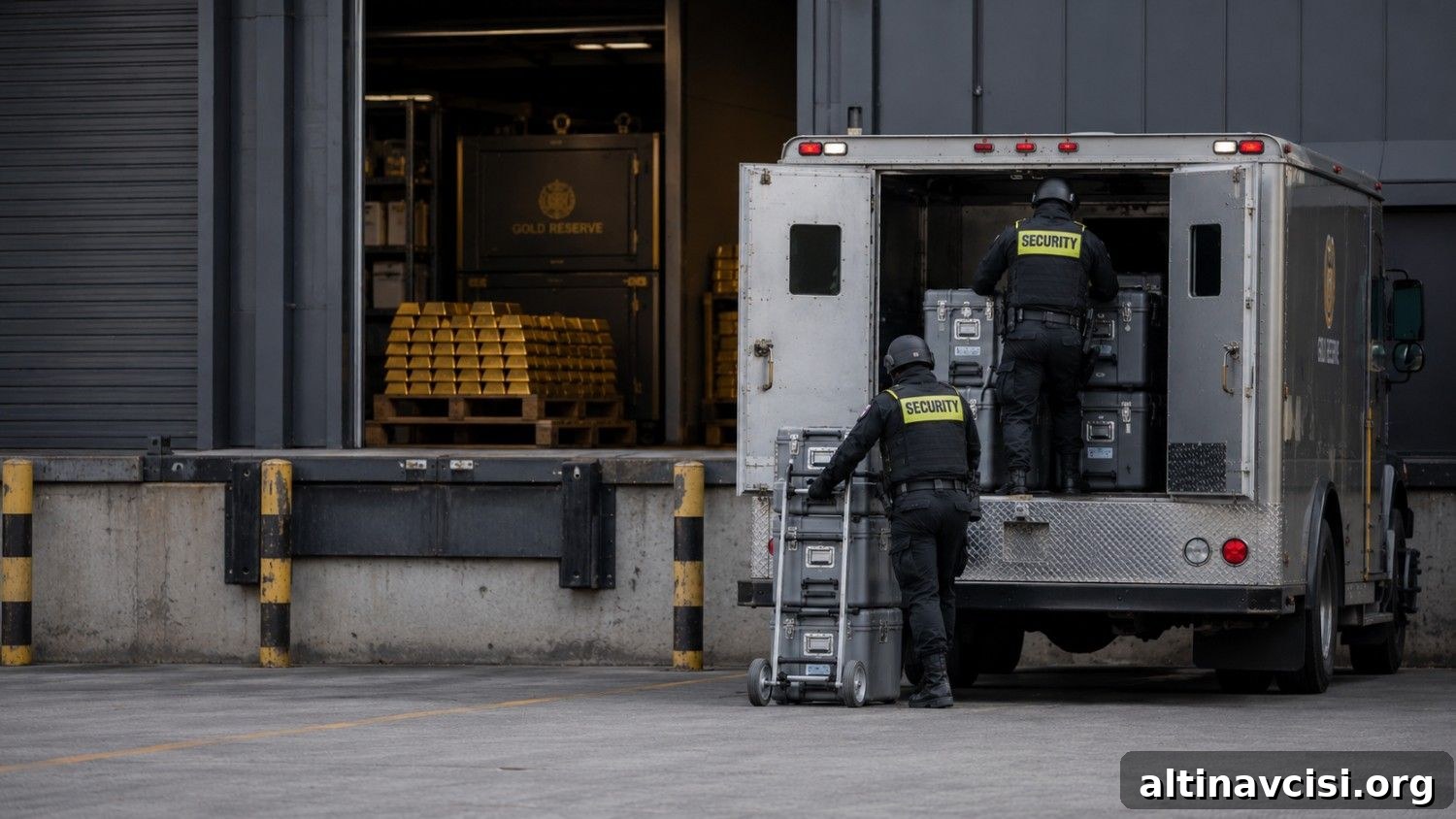
In today’s update: Physical gold demand and the paper price are increasingly disconnected in 2026 — China has tripled imports, about 1.1 million ounces left COMEX vaults, and global wealth is shifting east even as spot prices slipped to a two-month low.
Gold prices have moved lower. Common explanations point to heightened tensions with Iran, rising oil, a stronger dollar and renewed concern that the Fed might raise rates instead of cutting. Those factors matter, but they don’t tell the whole story. Physical demand is following a very different path. Chinese buyers are withdrawing gold from Hong Kong at rates not seen since March 2024. Metal is steadily leaving COMEX vaults. And the latest Global Wealth Report from BCG shows capital flows tilting toward Asia. Right now the paper market and the physical market are diverging. Below is a clearer look at what’s actually happening.
Why is gold falling even as geopolitical risk rises?
On May 28 gold dipped to roughly $4,380–$4,400 — its lowest level since March 26. New U.S. strikes near Iran’s Bandar Abbas airport pushed oil higher and strengthened the dollar, which in turn raised expectations that the Fed may tighten rather than cut. That dynamic puts gold in a bind: geopolitical risk normally supports safe-haven demand, while energy-driven inflation and a strong dollar increase the opportunity cost of holding a non-yielding asset. Since the U.S.–Iran conflict began on February 28, gold has fallen about 15%. That move reflects forced selling and dollar strength more than any change in the long-term fundamentals for physical metal.
The Edge Every Investor Needs
Smarter precious metals investing starts here. The Nuggets Newsletter brings you essential market insights, Fed updates, global trends, educational videos, and much more.
What does the safe-haven selloff mean for gold investors?
A drop in gold during a crisis is not unprecedented. As Rhona O’Connell of StoneX notes, the current pattern follows familiar precedent: energy-fueled inflation has reduced hopes for rate cuts, exerting simultaneous pressure on both the safe-haven and low-rate arguments for gold. The March 2020 episode is a useful comparison — gold initially fell about 12% during the early COVID selloff and then recovered its losses within roughly six weeks as the underlying demand picture did not change. The important point is that structural buyers — central banks, Asian investors and long-term portfolio rebalancing — remain active. Short-term price swings reflect positioning, not necessarily a shift in long-term demand.
Why did China’s gold imports nearly triple in April 2026?
China’s net gold imports through Hong Kong surged in April 2026, reaching 43.5 tonnes after a March net export figure of 4.9 tonnes. Total imports were 58.6 tonnes, up 178% month-on-month, and the net import level was the highest since March 2024 according to Hong Kong trade data. Analysts say Chinese banks used larger import quotas and that the buying appears investment-driven rather than jewelry-driven. The World Gold Council’s data further highlights the trend: China’s Q1 2026 net imports were an estimated 316 tonnes, a large increase quarter-on-quarter and year-on-year. When the world’s largest gold consumer significantly increases purchases, it’s a meaningful signal about physical demand.
Is physical gold quietly leaving the Western futures system?
Yes. By late May 2026, registered gold at COMEX had declined by roughly 6.5% over 30 days — about 1.1 million ounces removed from approved CME Group vaults. That metal was previously available for futures delivery and now is not. This drawdown has been gradual rather than panic-driven: buyers are withdrawing metal with the intention of holding it outside the Western futures-delivery pipeline. With the May delivery window still open and several thousand contracts outstanding, the ratio of paper claims to deliverable supply remains tight. The movement of physical gold out of Western vaults is an ongoing process worth monitoring.
What does Hong Kong overtaking Switzerland mean for global gold demand?
BCG’s 2026 Global Wealth Report shows Hong Kong has become the largest cross-border wealth hub, with cross-border assets of $2.95 trillion in 2025, slightly ahead of Switzerland’s $2.94 trillion. Mainland capital flows and a robust IPO cycle helped drive the increase. BCG projects fast growth in Hong Kong and Singapore through 2030, expanding Asia’s lead over Switzerland. Globally, cross-border wealth rose to $15.7 trillion in 2025 and is moving toward Asia — the same pools of capital that are supporting physical gold demand. The shift in wealth hubs and the move of capital toward Asia are closely linked to where physical gold is accumulating.
Two markets, one metal, one winner
The paper market and the physical market are following different signals. Traders price gold relative to oil, rate futures and the dollar in the paper market. The physical market is driven by central bank purchases, Asian investment flows and long-term portfolio decisions. Chinese buyers are taking record volumes, large holders are removing metal from Western vaults, and cross-border capital is shifting east. Eventually the two markets reconcile. When they do, those who held physical metal through the volatility will have a clearer view of the forces that moved gold beneath the headlines.
Stay On Top of Gold & Silver Prices
Get important market alerts sent straight to your inbox.
SOURCES
1. CNBC — Gold tumbles to two-month low as inflation hedge status fades
2. Trading Economics — Gold Price
3. StoneX — Gold Prices Fall as Liquidity Pressures Override Safe Haven Demand
4. Hong Kong Census and Statistics Department — External Trade Statistics
5. Commerzbank via FXStreet — China’s Gold Imports from Hong Kong Rose Sharply in April
6. World Gold Council — China Gold Market Update: A Notable Rise in Gold Reserves
7. CME Group — NYMEX/COMEX Warehouse & Depository Stocks
8. CME Group — Gold Futures Overview
9. Boston Consulting Group — Hong Kong Surpasses Switzerland as the World’s Largest Cross-Border Wealth Hub
Disclaimer: This article is for informational purposes only and does not constitute financial or investment advice. Always consult a qualified financial adviser before making investment decisions.
You May Also Like:
- Silver Lost 3.3% While Gold Lost 1.6%. That Gap Is Not Random.
- Gold Down 1.2%, Silver Down 2.8% — The Floor Holds
- UBS Just Cut Its Gold Target by $400. The Part They Kept Is the Real Story.
- Why Gold Is Falling Today — And Why $4,500 Is Holding.
- Gold Is Down Today. Here’s Why Smart Money Is Still Buying.
- Silver Up 3%. Gold Up 1.3%. The Ratio Tells You Everything.
- Iran News Sent Gold Price Both Ways. The Driver Was Never Iran.
- Gold Falls 0.5% on Iran Deal: The Floor Holds